Shiur summary (draft from the recording)
Greatness of Rabban Yochanan ben Zakkai's learning
רבן יוחנן בן זכאי
Sukkah 28a · from line 44 · Friday, February 6, 2026
The sugya
The shiur continues the aggadeta in the middle of Perek 2 about the conduct of Rabban Yochanan ben Zakkai, listing ten practices. It then covers Hillel's eighty talmidim, of whom Rabban Yochanan ben Zakkai was the smallest. Most of the shiur explains each area of Torah he mastered, from Mikra up to davar gadol, ma'aseh merkavah, and davar katan, havayos d'Abaye v'Rava.
Step by step (shakla v’tarya)
- GemaraAmru alav al Rabban Yochanan ben Zakkai: the Rebbi lists his practices. One: he never spoke sichas chulin, idle chatter.
- GemaraTwo: he did not walk four amos without Torah and without tefillin.
- GemaraThree: no one came to the beis medrash before him.
- GemaraFour: he did not sleep in the beis medrash at all, neither a sleep of keva nor of arai.
- GemaraFive: he did not think in learning in the dirty alleys.
- GemaraSix: he never left anyone behind in the beis medrash. He was the last to leave.
- GemaraSeven: no one ever found him sitting idle. He was always sitting and learning.
- GemaraEight: no one opened the door for his talmidim except him. The Rebbi explains that he was busy learning but kept an eye on others, so he was always the first to open the door.
- GemaraNine: he never said anything he had not heard from his rebbi.
- GemaraTen: he never said it was time to leave the beis medrash, except on erev Pesach and erev Yom Kippur. His talmid Rabbi Eliezer followed the same practice.
- GemaraTanu Rabbanan (line 21-22): Hillel HaZaken had eighty talmidim. Thirty were fit for the Shechinah to rest on them like Moshe Rabbeinu. Thirty were fit for the sun to stand still for them like Yehoshua bin Nun. Twenty were in between.
- GemaraThe greatest of them was Yonasan ben Uziel and the smallest was Rabban Yochanan ben Zakkai. This is the same Rabban Yochanan ben Zakkai with the ten special attributes, and he was the rebbi of Rabbi Eliezer, whom we have been discussing the past few weeks.
- The RebbiThe Gemara now turns to his learning itself: the depth and breadth of his Torah knowledge. A participant remarked that this shows that the smallest was still this great, and the Rebbi agreed.
- GemaraLine 25: he did not leave aside anything. First, Mikra: actual pesukim, Chumash, Torah shebiksav.
- GemaraMishnah: the original Mishnah of the early Tannaim. This had to be before it was written down, since they were part of the history as it was being made.
- RashiTalmud: Rashi explains it as sevara. The early Tannaim, such as Hillel and Shammai, did what the Amoraim later did, delving into and reasoning about the halacha, and the later Tannaim would be medakdek in the words of the early Tannaim.
- The RebbiToday our generations are clearly delineated: Tannaim, Amoraim, Geonim, Rishonim, Acharonim. Back then they probably had their own rules about whether a later Tanna may argue on an early one. The early Mishnayos were brief, and the reasoning about them was the Talmud of that time.
- GemaraHalachos: halacha l'Moshe miSinai. Many appear in Sukkah, such as lavud and dofen akumah, mostly in the first perek with some in the second. Much of hilchos tefillin is based on halacha l'Moshe miSinai.
- GemaraAggados: aggadeta, the stories of Chazal, from the word Haggadah. This is distinct from the halachic part of Gemara.
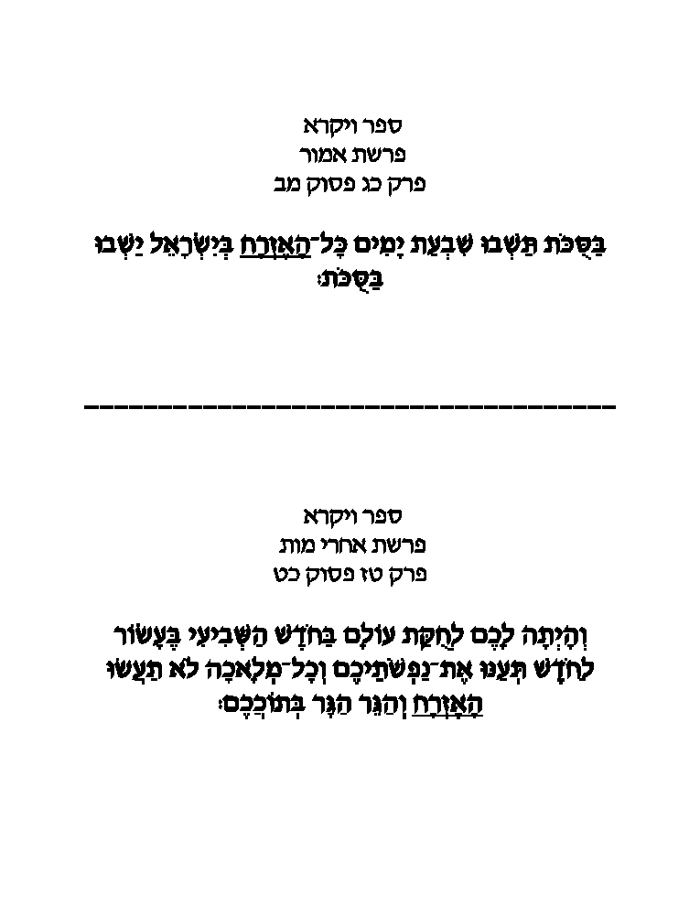
- RashiDikdukei Torah: real inferences from the words of the pasuk. Rashi gives an example from Sukkah: ha'ezrach excludes nashim. Every word is a ribbuy or miyut. We will see this in the Gemara soon.
- RashiDikdukei Sofrim: Rashi explains these as the dikdukim of the Rabbanan, chumros and gezeiros made so that one should not come to violate a real d'oraisa.
- GemaraKalim v'chamurim: kal v'chomer. For example, if you can lift a hundred pounds, then you can certainly lift something lighter.
- The Rebbi told a story: his father won a property-tax appeal in Toronto by arguing a kal v'chomer, in English 'a fortiori', from a neighbour's larger house paying less tax.
- GemaraGezeiros shavos: we had many in our perek, for example teshvu-teshvu. A gezeirah shavah learns from the same word appearing here and there.
- GemaraTekufos: the calendar, meaning cycles of the moon, leap years and so on. Gematrios: the numerical side of Torah.
- GemaraSichas malachei hashareis: he understood and could tap into the speech of the angels. Sichas sheidim: the speech of demons.
- RashiSichas dekalim: Rashi writes that he does not know what this means, which is very rare. Another explanation is that dekalim are trees used to make herbal medicines, so this refers to knowledge of such matters.
- The RebbiThe Rebbi suggested that trees, being tzomeach, are a level of life and may have some communication with one another. That may be the pshat, though Rashi does not say so.
- GemaraMishlos kovsin and mishlos shualim: parables of launderers and of foxes. These were the mussar parables of that time, like the meshalim a maggid uses, such as the king and his son.
- KashaA participant asked why such parables would not count as idle talk (the wording is unclear in recording).
- TeirutzBecause they were used to give over mussar and teach a lesson.
- GemaraDavar gadol and davar katan. Davar gadol is ma'aseh merkavah: Hashem's chariot, meaning His throne, with the chayos and serafim. Merkavah comes from the root of riding.
- GemaraDavar katan is havayos d'Abaye v'Rava: the deliberations of Abaye and Rava.
- The RebbiAbaye and Rava were not yet alive, since Rabban Yochanan ben Zakkai was a Tanna. He already knew and was mechaven everything the Amoraim would later discuss.
Kashas
- Why aren't mishlos kovsin and mishlos shualim considered idle talk? (The wording of the question is unclear in recording.)
- How could he know havayos d'Abaye v'Rava if they were not yet born?
Teirutzim
- The parables were used to teach mussar and give over a lesson.
- He already knew and was mechaven what the later Amoraim would discuss.
Rashi & Tosafos
- Rashi: Talmud means sevara. The early Tannaim did the work of reasoning that the Amoraim later did, and later Tannaim were medakdek in the words of earlier Tannaim.
- Rashi: Example of dikdukei Torah from Sukkah: ha'ezrach excludes nashim.
- Rashi: Dikdukei Sofrim are the Rabbanan's chumros, so as not to come to transgress a d'oraisa.
- Rashi: On sichas dekalim, Rashi writes that he does not know what it means.
Mareh mekomos
- Gemara later in Sukkah: ha'ezrach excludes women. Brought by Rashi as an example of dikdukei Torah.
- Halachos l'Moshe miSinai in Maseches Sukkah, such as lavud and dofen akumah, and in hilchos tefillin. Cited as examples of 'halachos'.
- Gezeirah shavah teshvu-teshvu from our perek. Cited as an example of gezeiros shavos.
The Rebbi’s chiddushim
- Even while immersed in learning, he kept an eye open for others, so he was always first to open the door for his talmidim.
- Unlike our clearly delineated generations, the early Tannaim did the reasoning work later done by Amoraim. They likely had their own rules about whether a later Tanna may argue on an earlier one.
- The Mishnah he knew was the early, unwritten Mishnah. They were part of the history as it was being made.
- Trees, as tzomeach, are a level of life and may communicate with one another. This is possibly the pshat in sichas dekalim.
- The parables of launderers and foxes were the maggid's mussar meshalim of their day.
- Rabban Yochanan ben Zakkai already knew the future deliberations of Abaye and Rava.
Unclear in recording
- The daf number stated at the start is garbled. Only 'amud alef' and 'line 14' are clear.
- The example given before teshvu-teshvu for gezeirah shavah is unclear.
- An additional halacha l'Moshe miSinai mentioned after dofen akumah is unclear.
- A side discussion about when ma'aseh merkavah is read, mentioning Sukkos and people sleeping, is unclear.
- The recording ends during a participant's question and the Rebbi's reply about Abaye and Rava.
Drafted from the recording of the shiur, for chazarah. Torah terms follow the Rebbi’s own words; anything that could not be made out is marked “unclear in recording”. Tap a time to hear that point. Corrections welcome.