Shiur summary (draft from the recording)
Chavit Rami: Rava's source in Ohalos
חבוט רמי
Sukkah 22a · Monday, November 10, 2025
The sugya
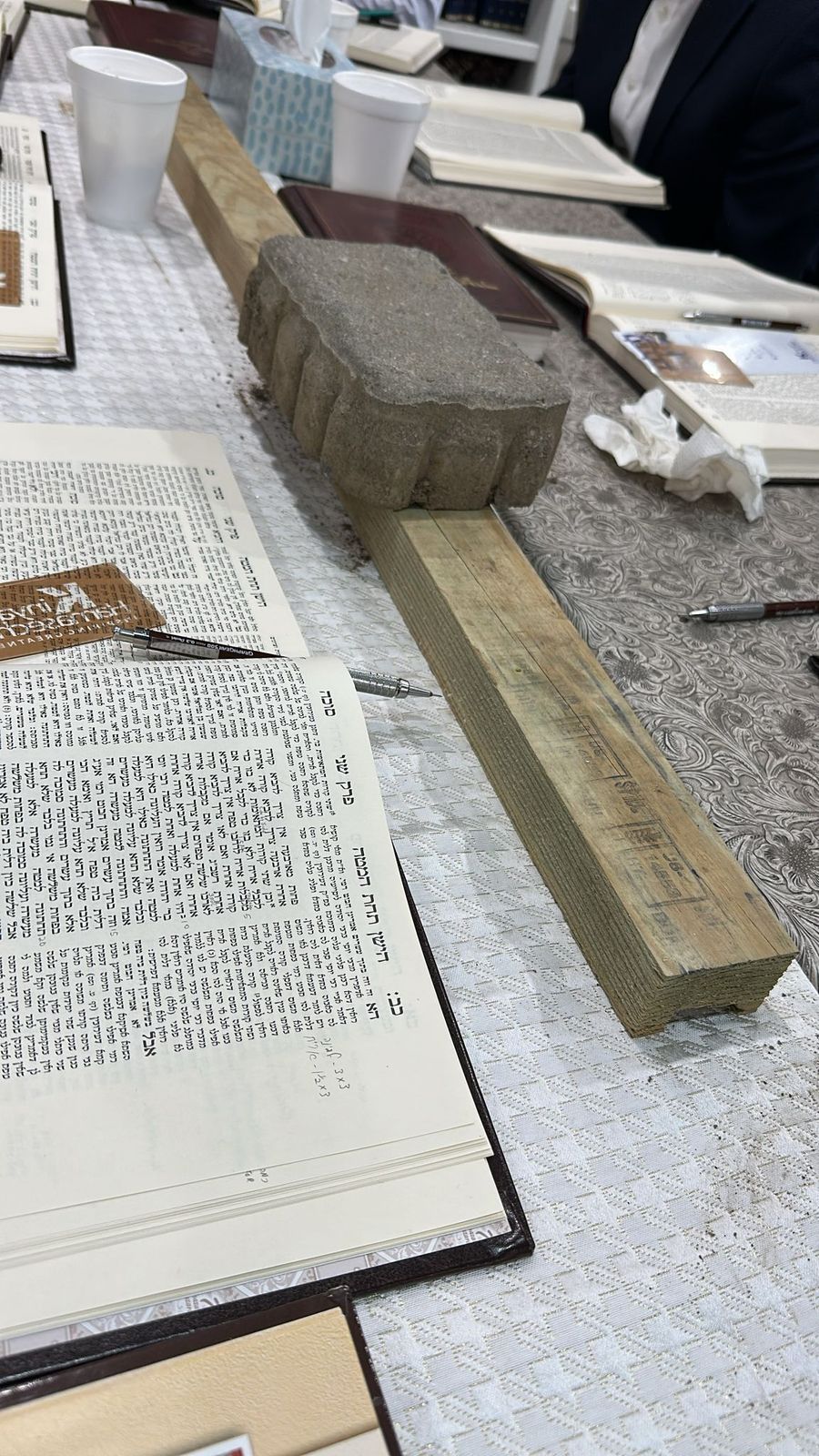
After reviewing Rav and Shmuel on sukkah hamedubleles and the machlokes Abaye and Rava within Shmuel, the shiur reached Rava's source for chavit rami. That source is the Mishnah in Ohalos of koros habayis veha'aliyah, explained with all its cases using a hands-on model. The shiur then learned the Braisa on that Mishnah: we only say chavit rami when the beams are a tefach and the gaps are posei'ach tefach. It stopped before 'Alma'.
Step by step (shakla v’tarya)
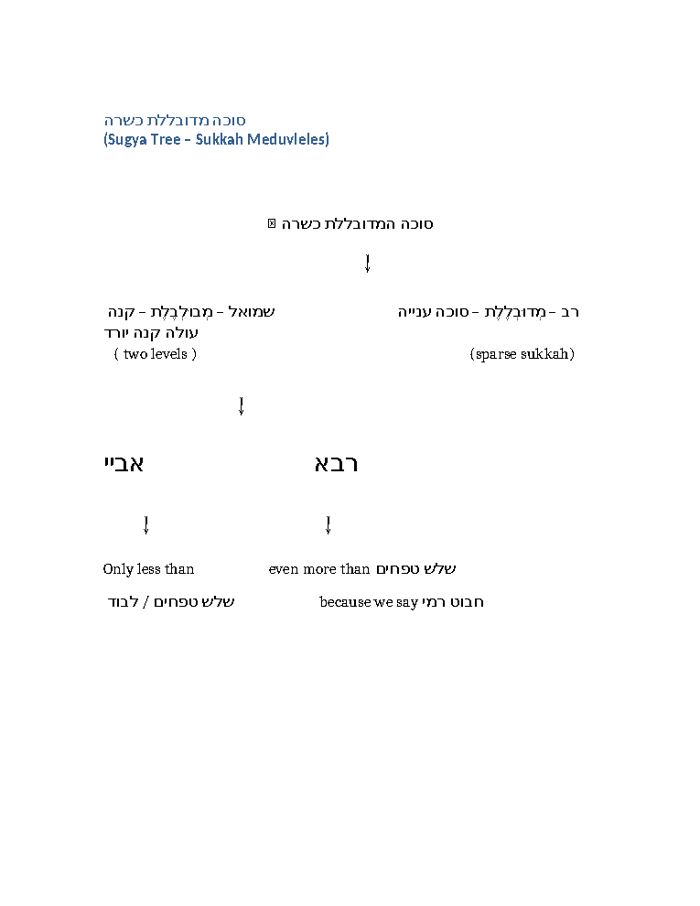
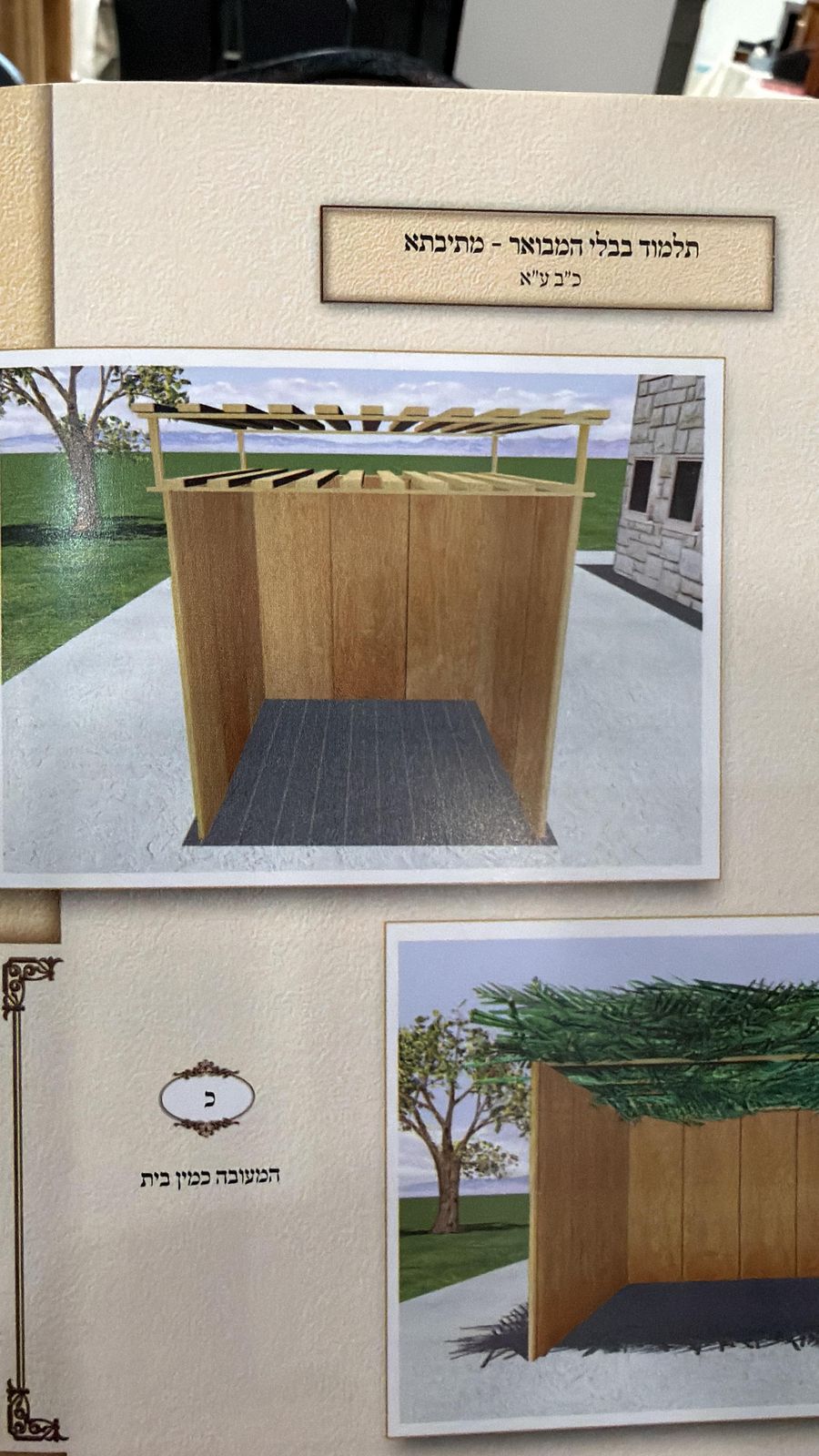
- ChazarahMishnah: sukkah hamedubleles is kosher.
- MachlokesRav: a sukkah aniyah, a sparse sukkah, and it is kosher. There is no further discussion in Rav.
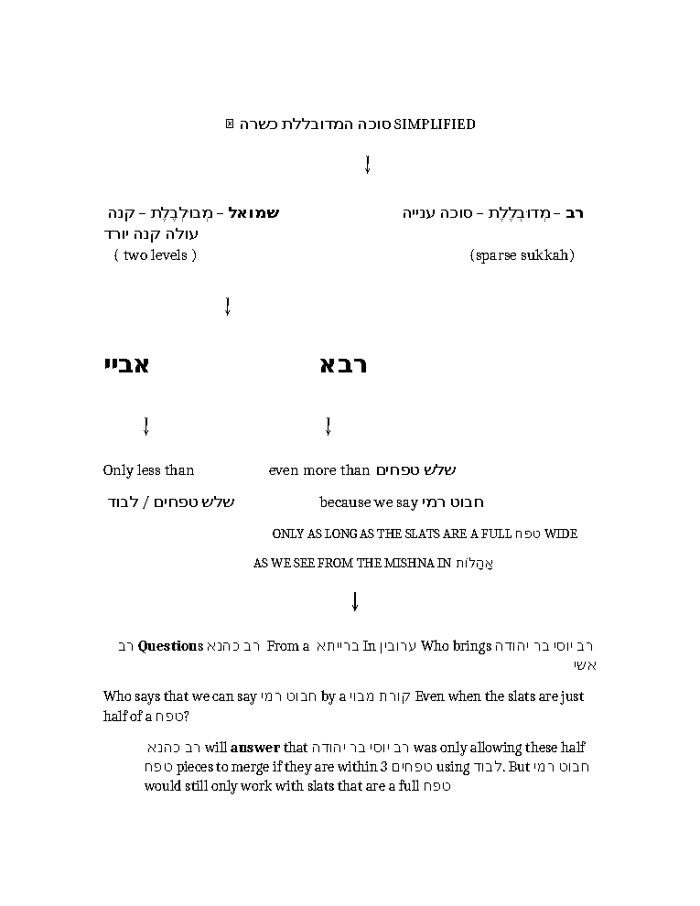
- ShitahShmuel: kaneh oleh kaneh yored, two levels of schach. Within Shmuel there is a machlokes Abaye and Rava.
- ShitahAbaye: the two levels combine into kosher schach only within less than three tefachim, through the regular rule of lavud.
- ShitahRava goes further with chavit rami: even a much greater distance can be viewed as slammed down. The rest of the sugya, about an amud and a half, deals with chavit rami in Rava.
- KashaA talmid asked: does Abaye not hold of chavit rami?
- TeirutzThe Rebbi: Abaye does not bring it up. Perhaps he holds of it at its source, by an ohel, but not by schach. The Rebbi looked in seforim and did not find much.
- ChazarahAmar Abaye, lo shanu: the levels combine only when they are within three tefachim (lavud). With three tefachim or more between the layers, it is pasul.
- ChazarahAmar Rava: even with three tefachim between them, it is pasul only if the top level does not have a tefach. Once the top level has a tefach, it is kosher even if much higher, because we say chavit rami.
- KashaRava: mina amina lah. How do I know that with a tefach we slam it down, and without a tefach we do not?
- Ra'ayahTenan: the source is a Mishnah in Ohalos.
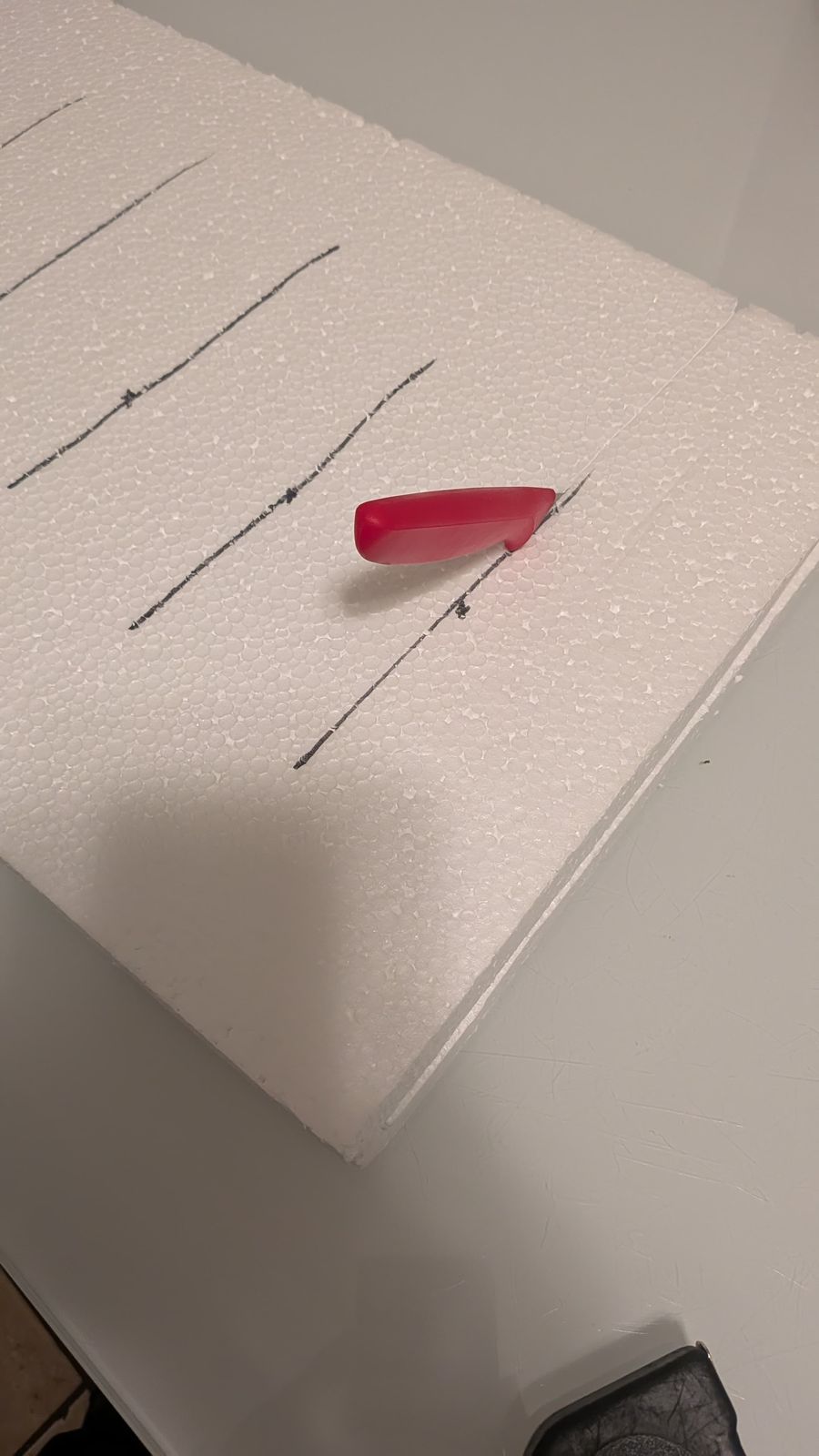
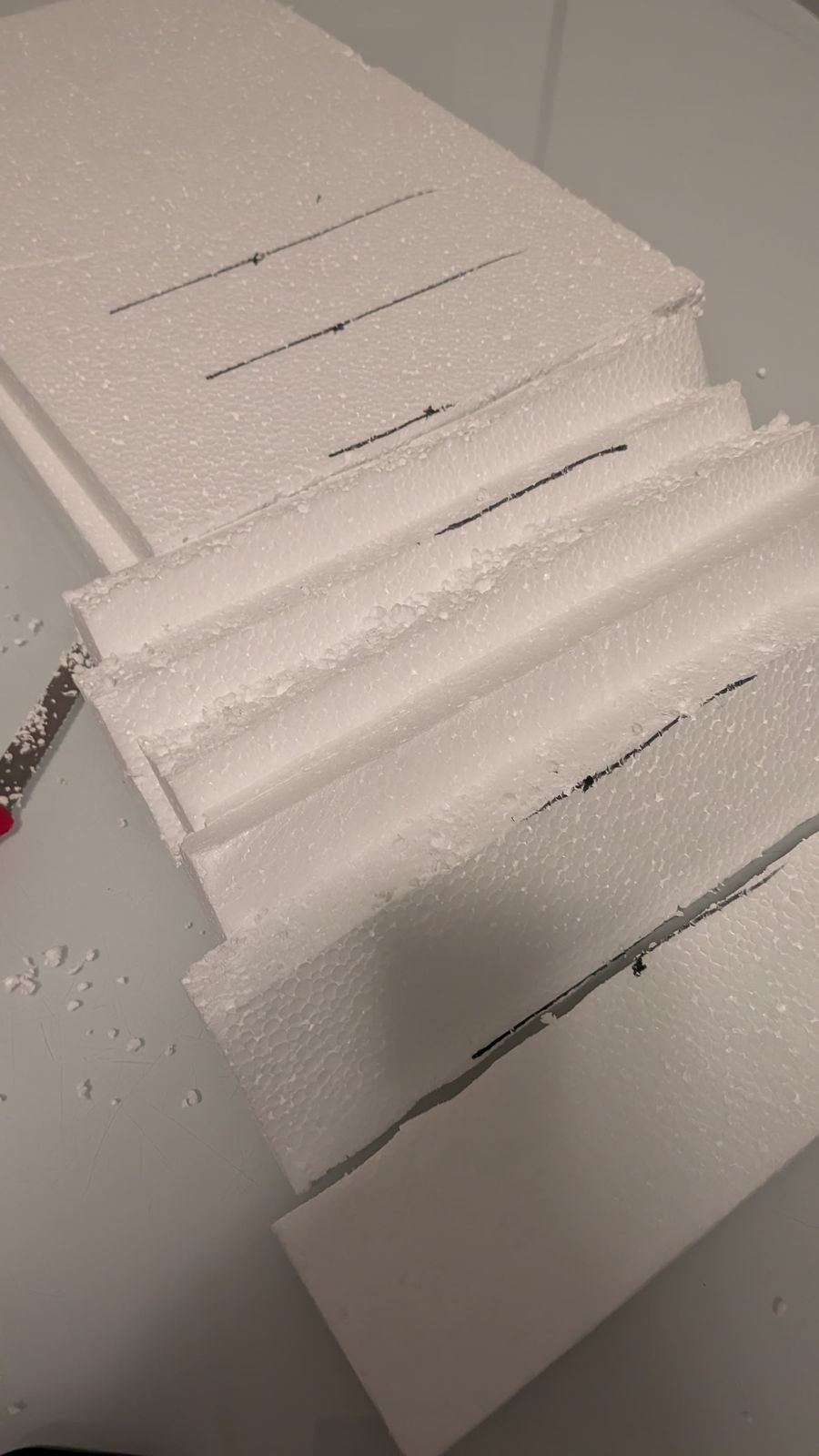
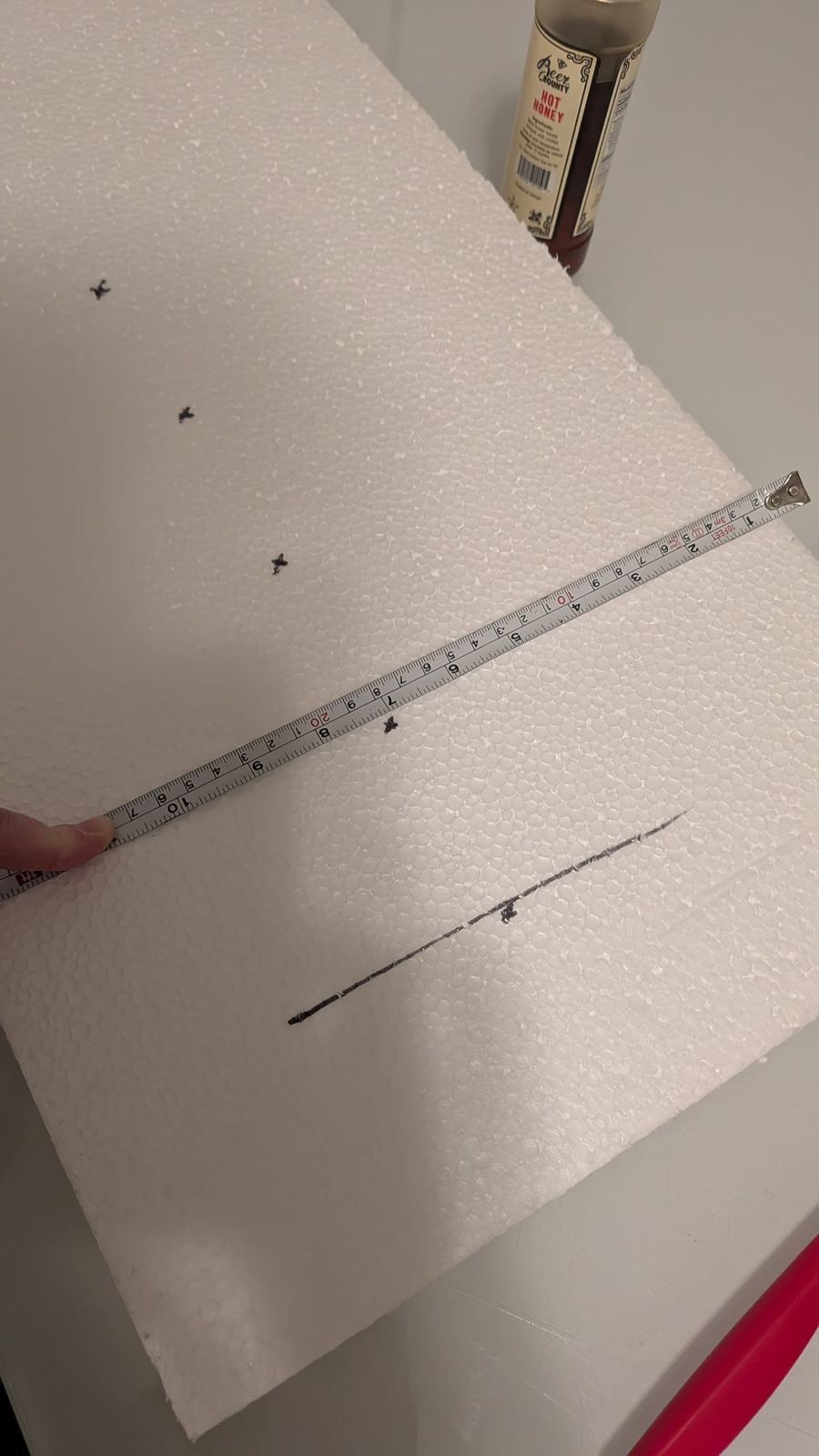
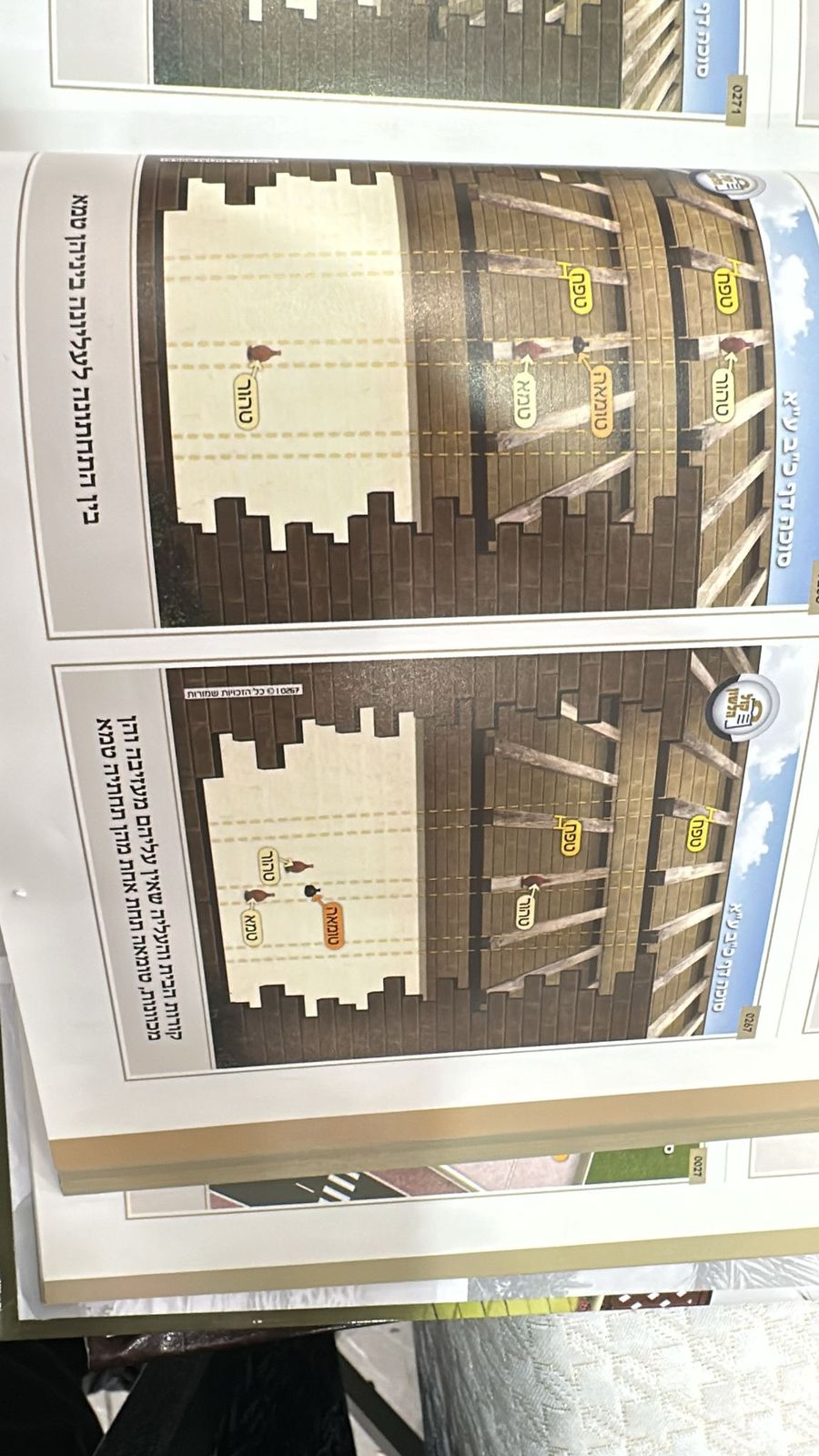
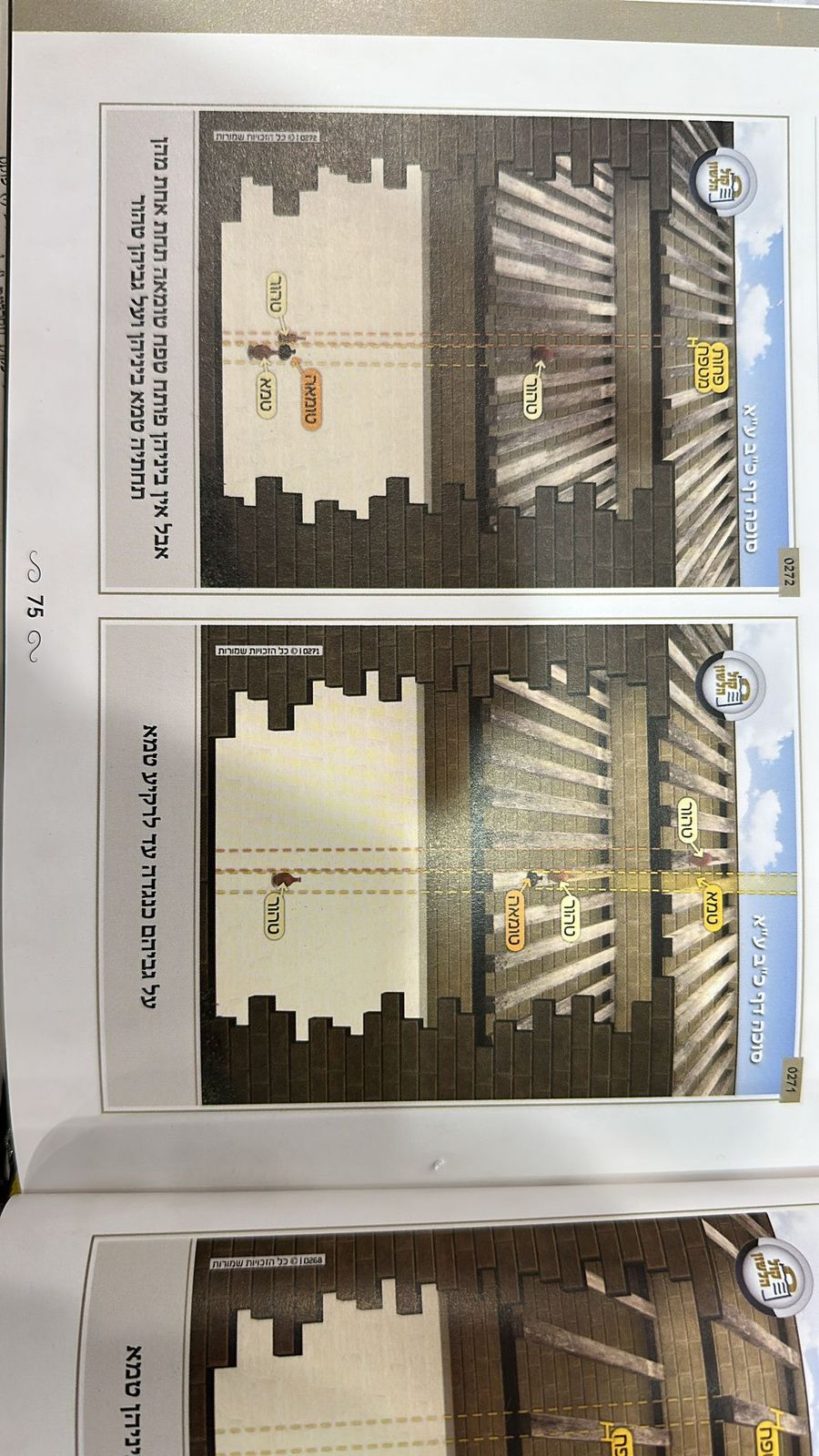
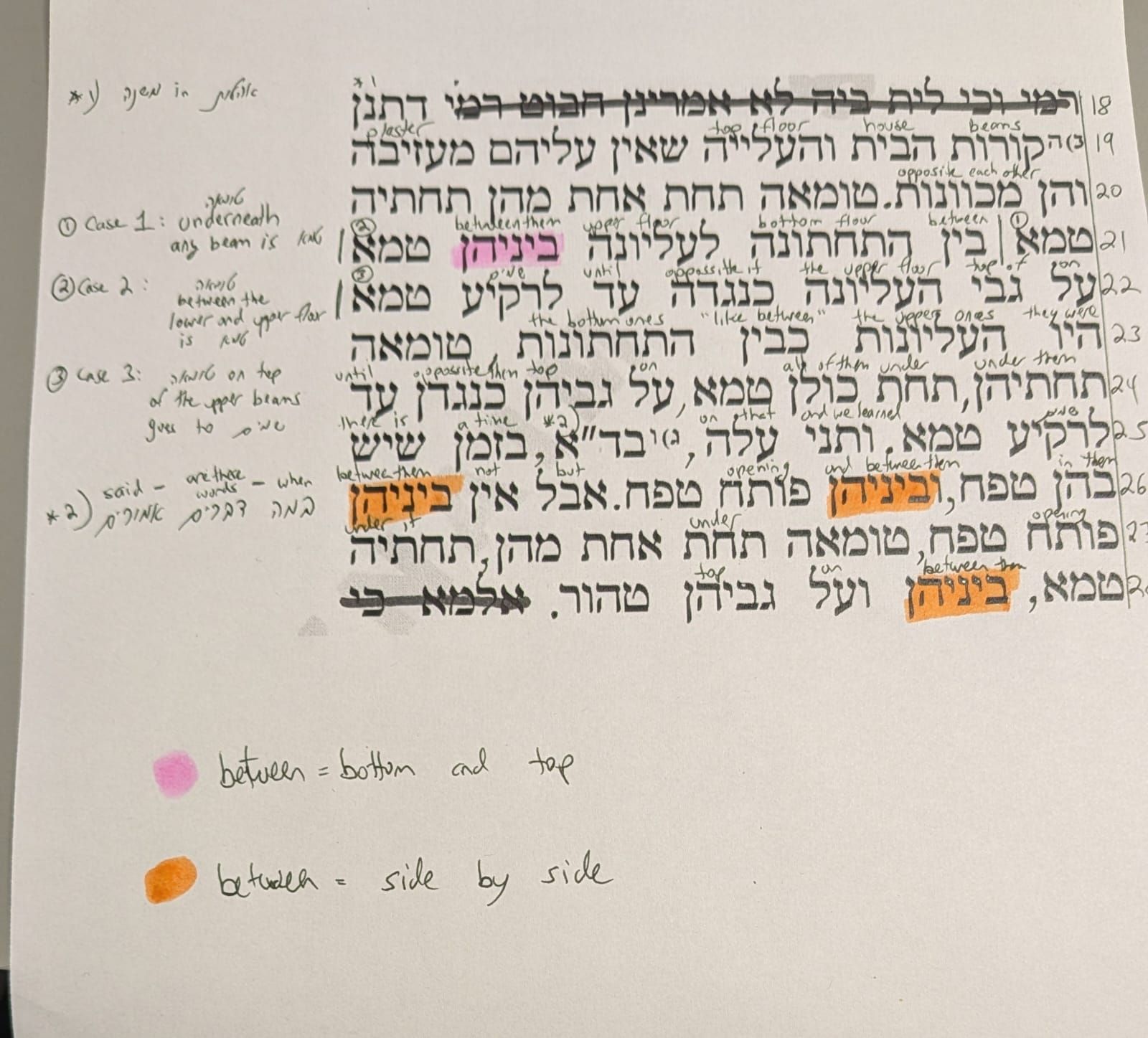
- MishnahKoros habayis veha'aliyah are horizontal beams. Bayis is the lower floor; aliyah is the upper floor, from the word 'al'. She'ein aleihem ma'aziva means there is no plaster, just the raw frame with gaps. Vehein mechuvanos means the beams are aimed exactly one above the other, not staggered.
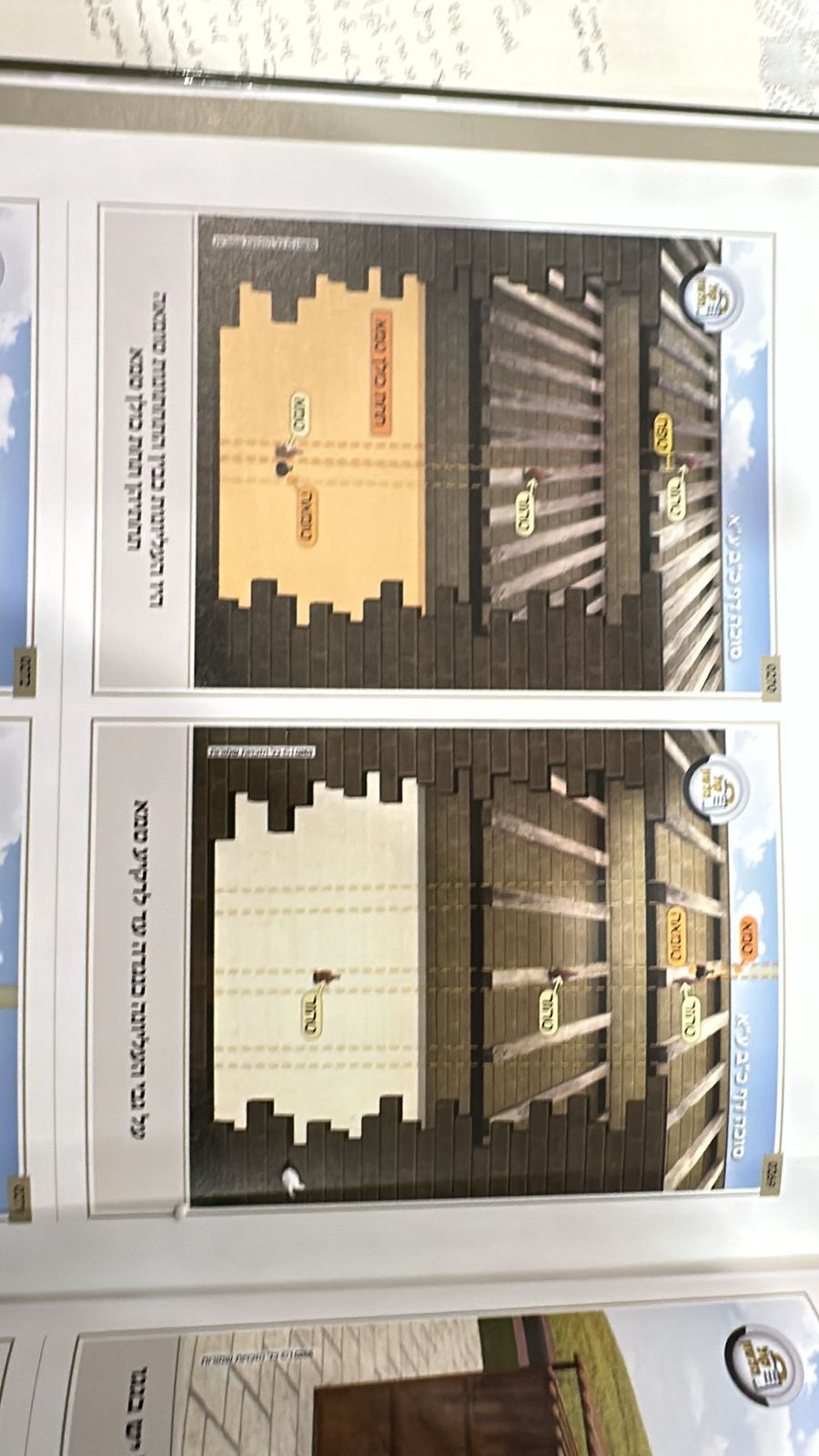
- MishnahCase 1: tumah under one beam makes tamei what is under it. The beam is a tefach, so it is an ohel. The tumah spreads along the whole beam from wall to wall but not to the sides, because of the gap. It goes only where the ohel extends.
- MishnahCase 2: tumah between the lower and upper beam makes tamei only the space between them. The lower beam stops it from going down and the upper beam stops it from going up.
- MishnahCase 3: tumah on top of the top beam makes tamei straight up until the heavens.
- MishnahStaggered case: the upper beams sit between the lower ones. Tumah under any one of them makes the entire area under all of them tamei. Tumah on top of them is tamei opposite them up to the sky.
- The RebbiIn the staggered case we view the whole thing as one level.
- MaskanaThe Mishnah in Ohalos teaches that there is chavit rami: taking top levels and slamming them down to the bottom level.
- GemaraTani alah, a Braisa (Tosefta) on that Mishnah, bameh devarim amurim: we treat it as one level only when the beams have a tefach and the space between them is posei'ach tefach. The upper beam can then come down and fit in the gap.
- The RebbiIn the Braisa, 'beineihen' means side to side. In the Mishnah, it meant between top and bottom.
- GemaraIf the gaps are not posei'ach tefach, tumah under one beam makes only what is under it tamei. Beineihen and al gabeihen are tahor.
- The RebbiWe say chavit rami only if the beam fills the gap. If the gap is smaller, so that the top beams are smaller than a tefach, we do not. Even if the beam is bigger, we do not bring it down; it has to fit in.
- Example: tumah under a beam of less than a tefach goes up to the sky, because it is not an ohel.
- The gaps must be filled exactly. A tefach beam does not extend its ohel to the sides.
- MaskanaStopped before 'Alma'. We already see that chavit rami applies only with a tefach.
- ChazarahIllustration with a coffee cup as the person. Where the tefach beams form one ohel, the cup is tamei wherever the tumah is under it. Where there is no connection, tumah elsewhere does not reach it.
Kashas
- A talmid: does Abaye not hold of chavit rami?
- Rava: mina amina lah? What is the source that with a tefach we say chavit rami and without a tefach we do not?
Teirutzim
- Perhaps Abaye holds of chavit rami by an ohel, its source, but not by schach.
- Rava's source is the Mishnah in Ohalos of koros habayis veha'aliyah, together with the Braisa on it requiring a tefach.
Mareh mekomos
- Mishnah in Ohalos, koros habayis veha'aliyah: the source of chavit rami (staggered beams viewed as one level).
- Braisa / Tosefta on that Mishnah, bameh devarim amurim: chavit rami applies only when the beams are a tefach and the gaps are posei'ach tefach.
The Rebbi’s chiddushim
- Chavit rami is really a rule of ohel. Abaye may hold of it there but not by schach.
- Mechuvanos comes from the root of kavanah, as in kivein libo: the beams are aimed one above the other.
- Beineihen in the Braisa means side to side; in the Mishnah it means top and bottom.
- Even a beam bigger than the gap is not brought down; it must fit the gap.
Unclear in recording
- The exact distance Rava allows with chavit rami (five, six, seven, maybe amos) is unclear in recording.
- A talmid's question about tumah on top of the top floor and an airplane, and the Rebbi's answer, are unclear in recording.
- Discussion of the levels and three tefachim (crawl space) during the staggered case is partly unclear in recording.
- The section from about 19:05 to 20:44 is unclear in recording.
- The A/B/C labelling of beams and gaps in the model is partly unclear in recording.
Drafted from the recording of the shiur, for chazarah. Torah terms follow the Rebbi’s own words; anything that could not be made out is marked “unclear in recording”. Tap a time to hear that point. Corrections welcome.