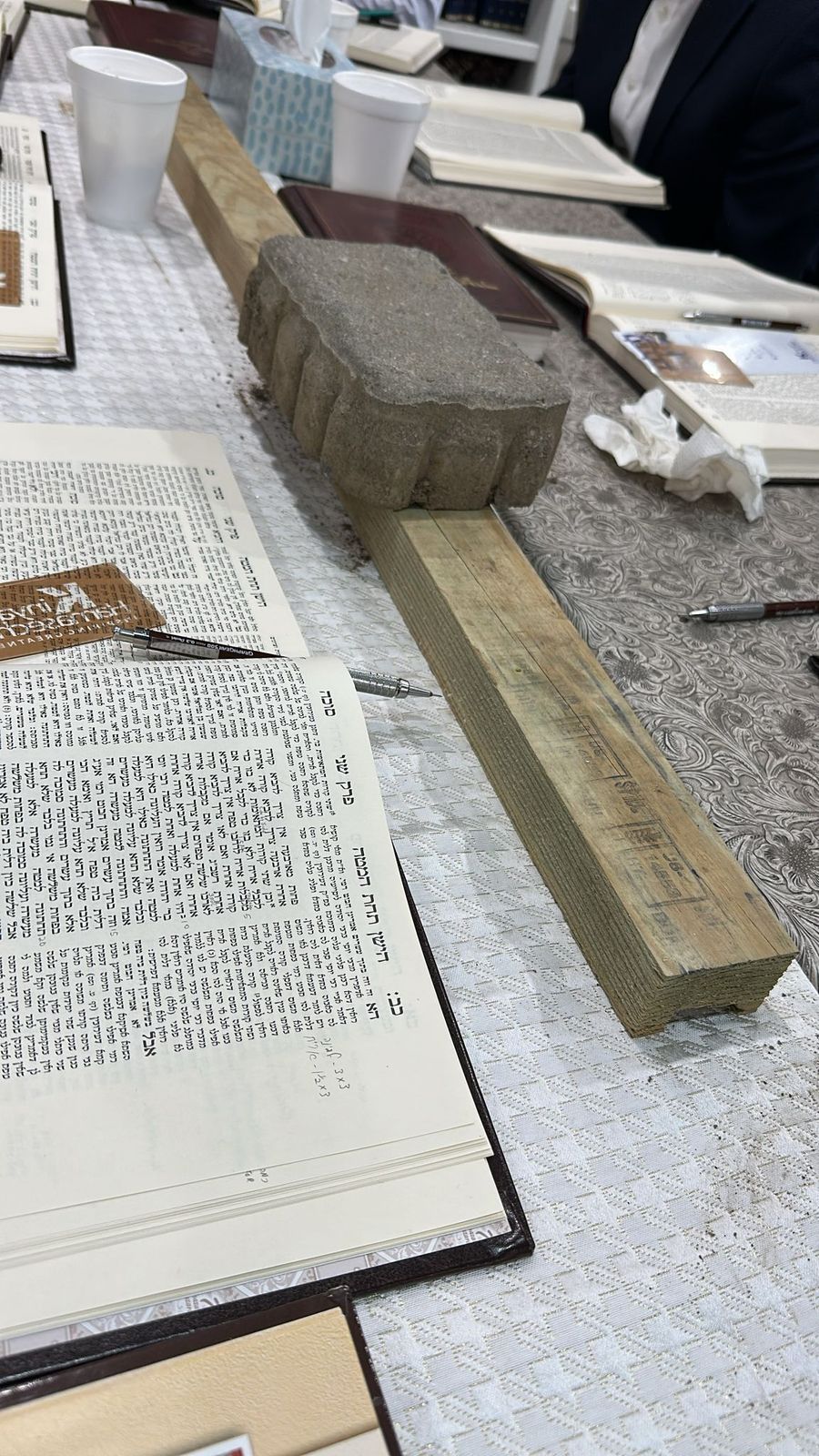
Rava's source for chavut rami: Koros Habayis
The sugya
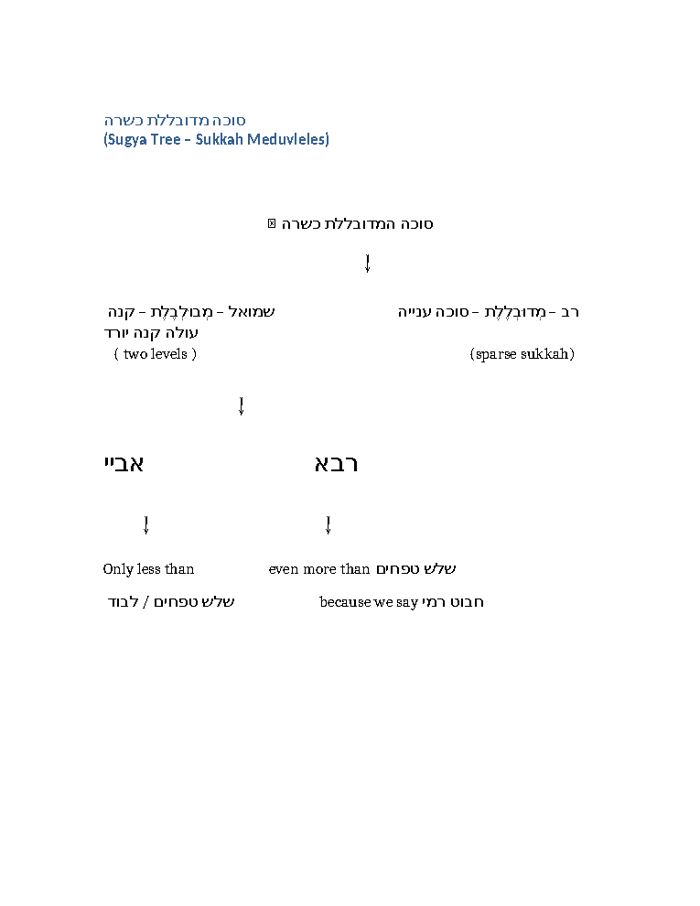
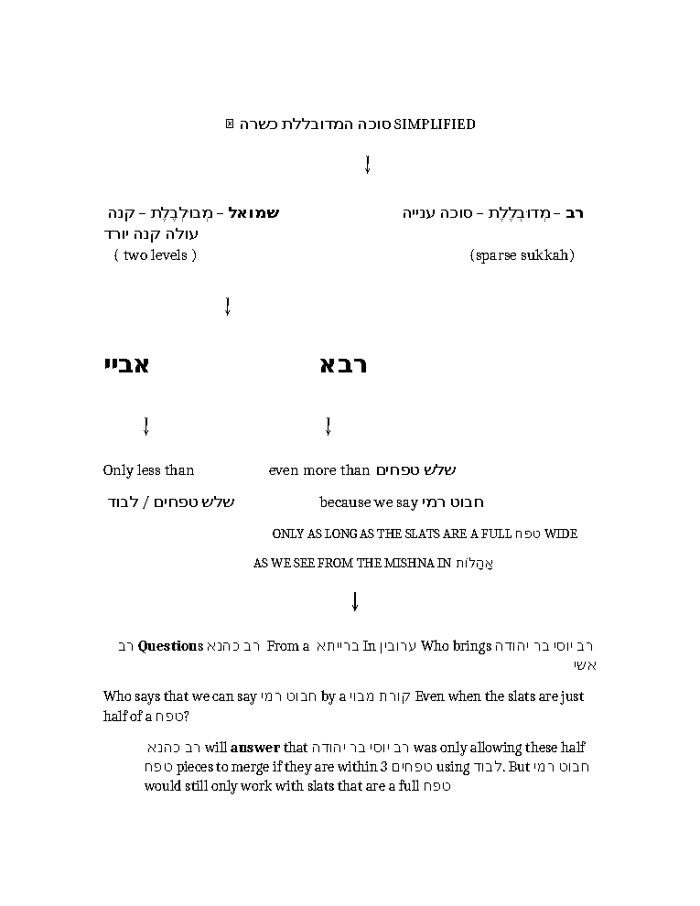
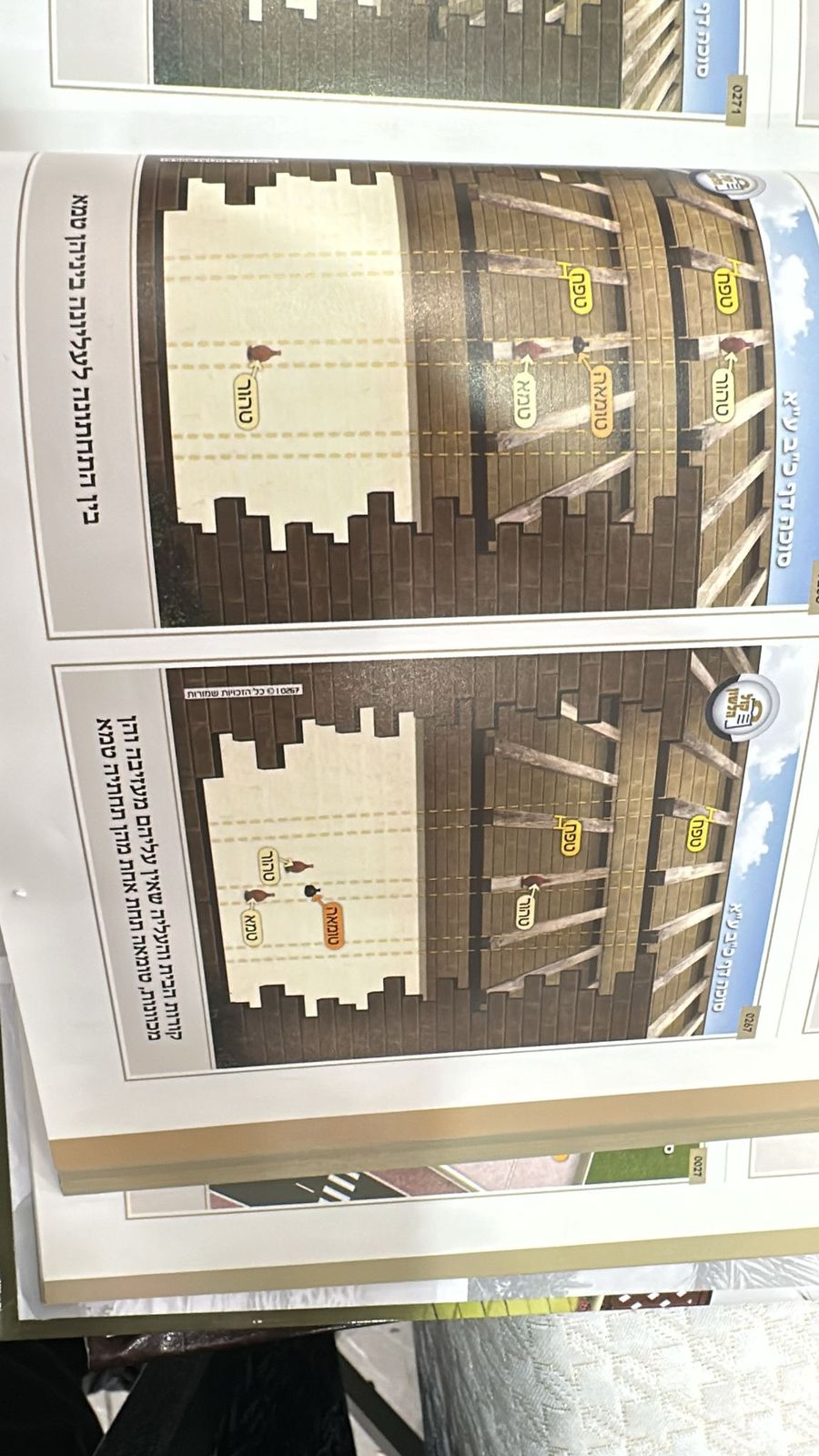
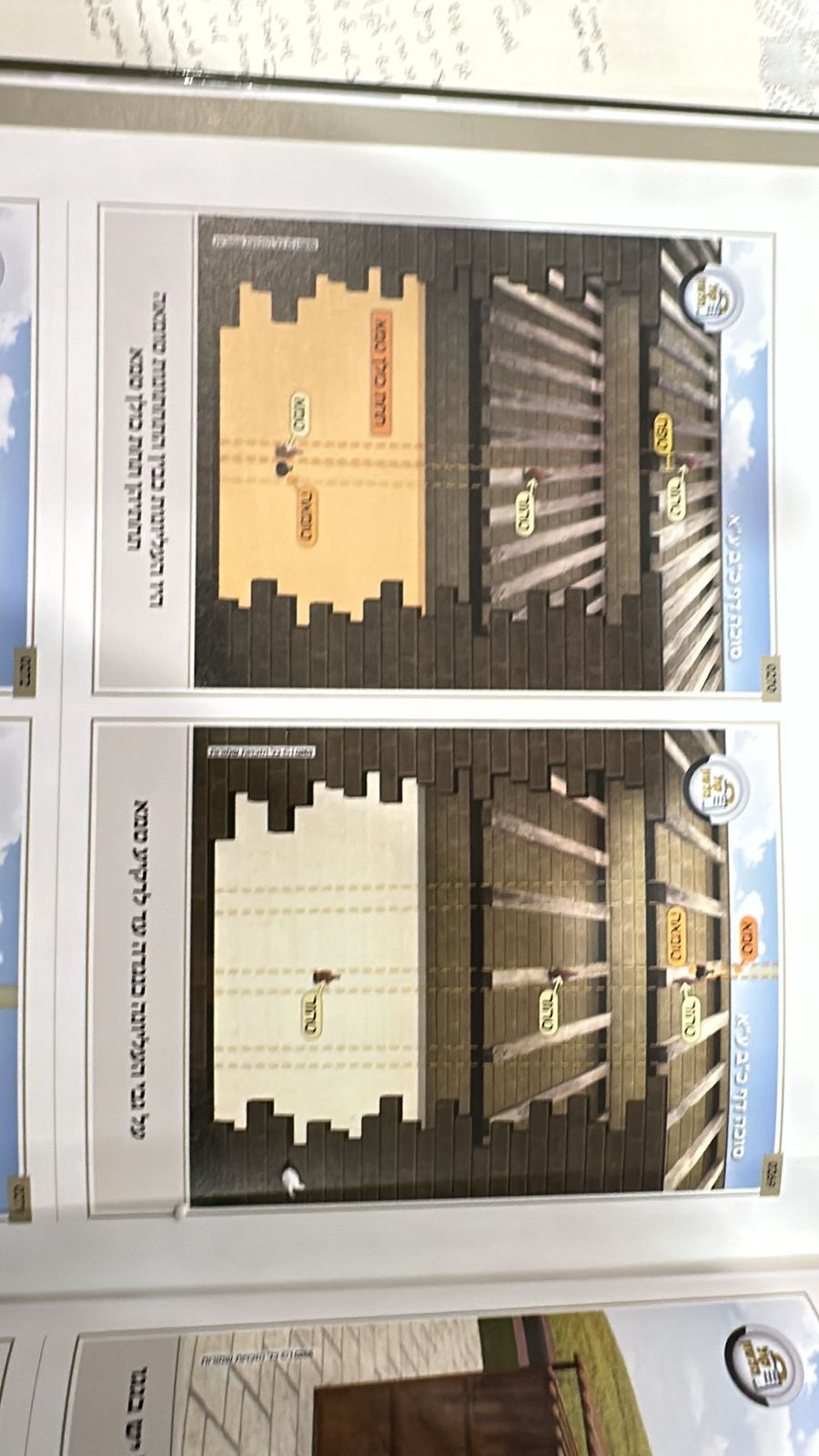
The shiur works through Rava's proof that chavut rami only applies when the beam is a tefach. The Rebbi lays out the Mishnah in Ohalos about koros habayis v'ha'aliyah in two scenarios. In Scenario A the beams are aligned (mechuvanos), and in Scenario B the upper beams are staggered between the lower ones. He then brings the Braisa (Tani alah), which limits the Mishnah to beams of a tefach with a gap of a tefach. From the Mishnah together with the Braisa, Rava concludes: when there is a tefach we say chavut rami, and when there isn't we don't.
Step by step (shakla v’tarya)
- Approach to learning: don't push ahead until the sugya is understood both conceptually and inside, and the two are melded together. This Gemara is a bit more difficult.
- Some Rishonim change the meaning of words here because they have difficulty with the word 'beineihen' in the first scenario.
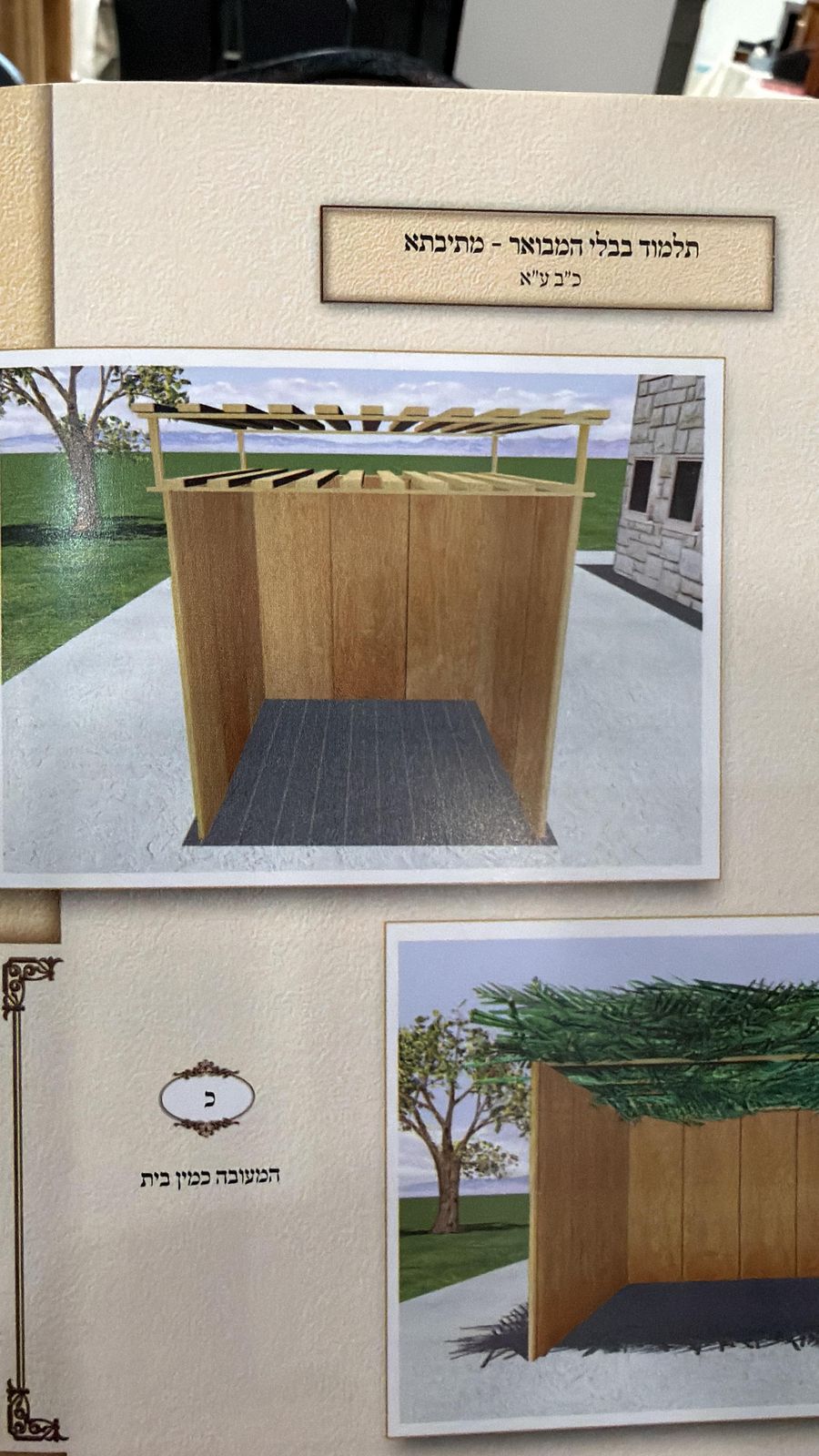
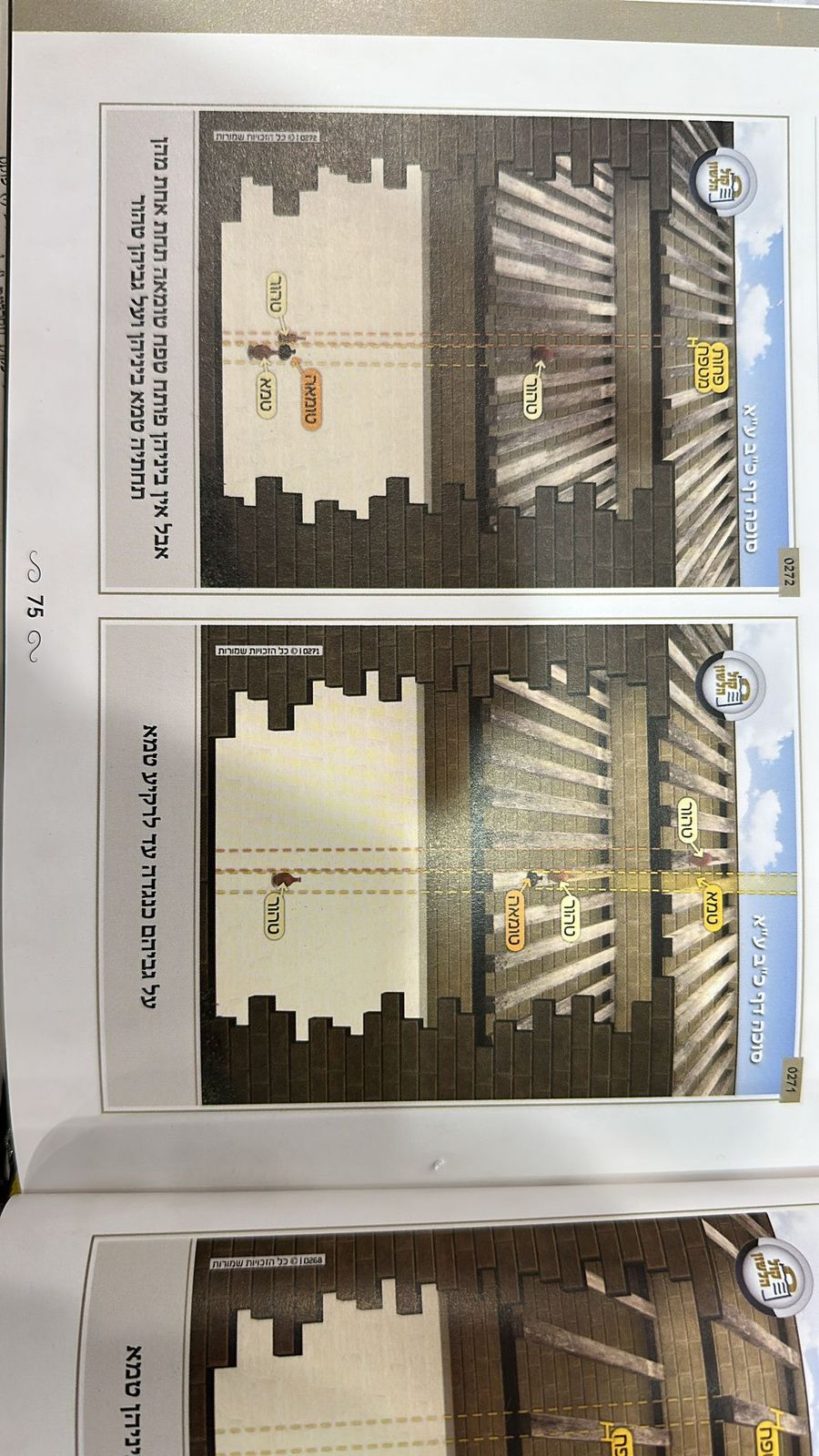
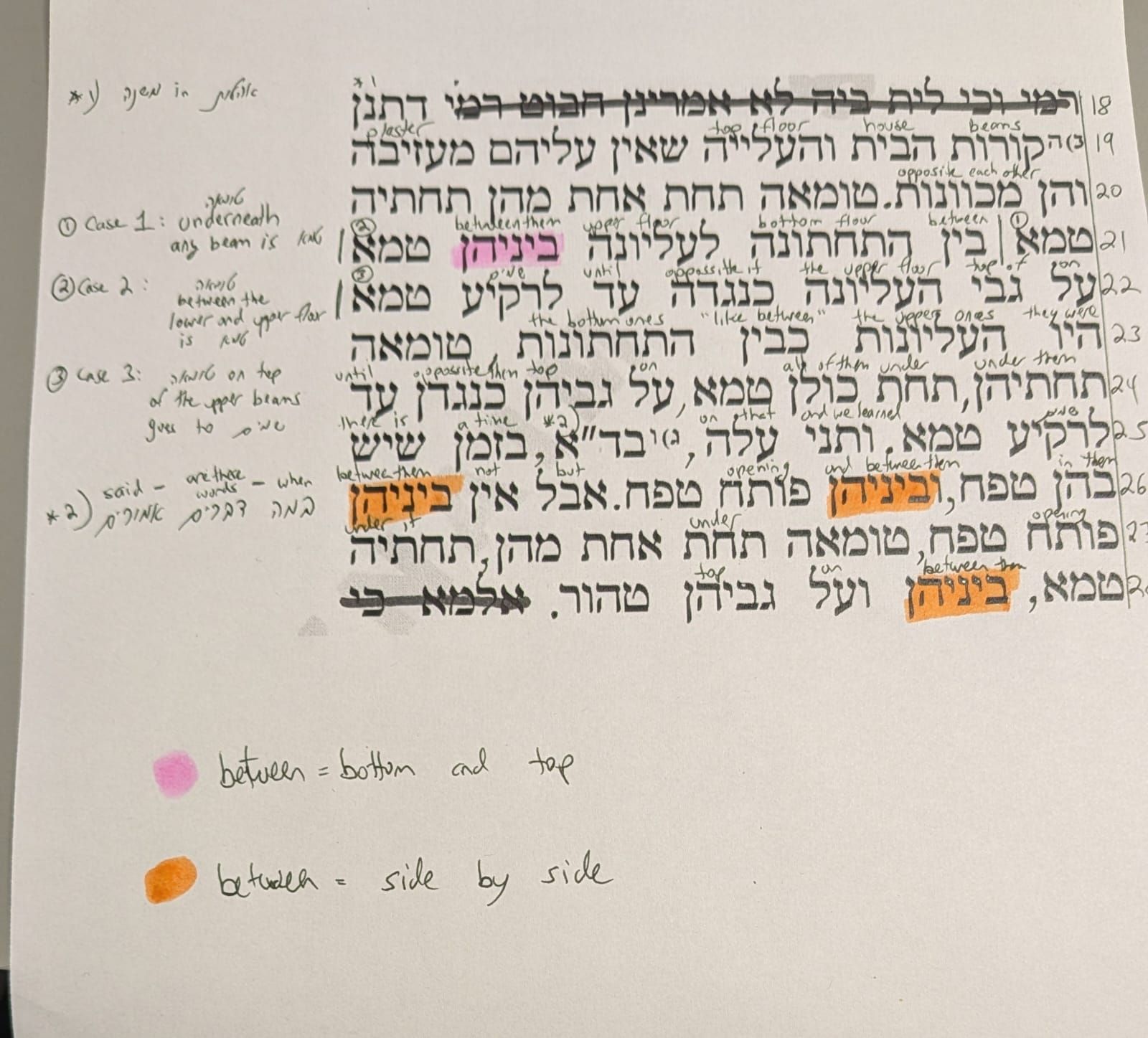
- Framework: two scenarios. Scenario A is when the koros are all lined up. It has three cases: tumah on the floor, between the first and second floor, and on the roof. There 'beineihen' means between them, up and down.
- Scenario B is when the beams are not lined up. Using chavut rami we create a one-level roof, so there are only two cases: under the beams (tamei, it is an ohel) or on top of any of the beams (it goes up).
- Long discussion with the chabura about someone on the second floor straddling two staggered beams. The Rebbi set it aside: the Gemara is not talking about that case.
- The RebbiIn Scenario B (k'bein hatachtonos: between them but on a different level), 'beineihen' means right and left, horizontally, not top and bottom. That is the most basic understanding of the Gemara. Those who don't like that reading change it, which is why there is a fairly large Rashi here.
- GemaraFrom here the Gemara shows where the concept of chavut rami is sourced according to Rava: a Mishnah in Ohalos, starting line 19.
- GemaraMechuvanos is Scenario A, with three cases. Case A1: tumah under one of the beams, tachteha tamei. Tachteha is not repetitive: whatever tahor item shares the space under that beam becomes tamei.
- GemaraCase A2: tumah between the bayis and the aliyah (between the second floor and the roof). Whatever tahor item is between them is tamei.
- KashaWhy does the Mishnah list all three cases?
- TeirutzA talmid suggested it is a setup for the case where the beams are not like that. The Rebbi: when aligned, look at every wide beam as an ohel. Whether on the ground floor or the second floor, if you share a beam with the tumah you are tamei.
- GemaraCase A3: al gabei ha'elyonah, tumah on top of the uppermost beam. A tahor item sharing that space below does not become tamei; the tumah only goes up for what is over it, to the sky.
- GemaraScenario B: hayu ha'elyonos k'bein hatachtonos, between them but on a different level. Two cases.
- GemaraCase B1: tumah tachteihen, tachas kulan tamei. A tahor item under any of the beams is tamei, because chavut rami closes everything up and you are in an ohel. This applies only on the ground floor.
- The RebbiChavut rami only brings down; it does not bring up.
- GemaraCase B2 (line 24): al gabeihen, tumah on top of any of the beams. The tumah goes up to the sky, even on the middle floor, since there is nothing above it. Chavut rami only fills a gap.
- GemaraEnd of the Mishnah: quotes open at the beginning of line 19 and close after the word 'tamei' on line 25.
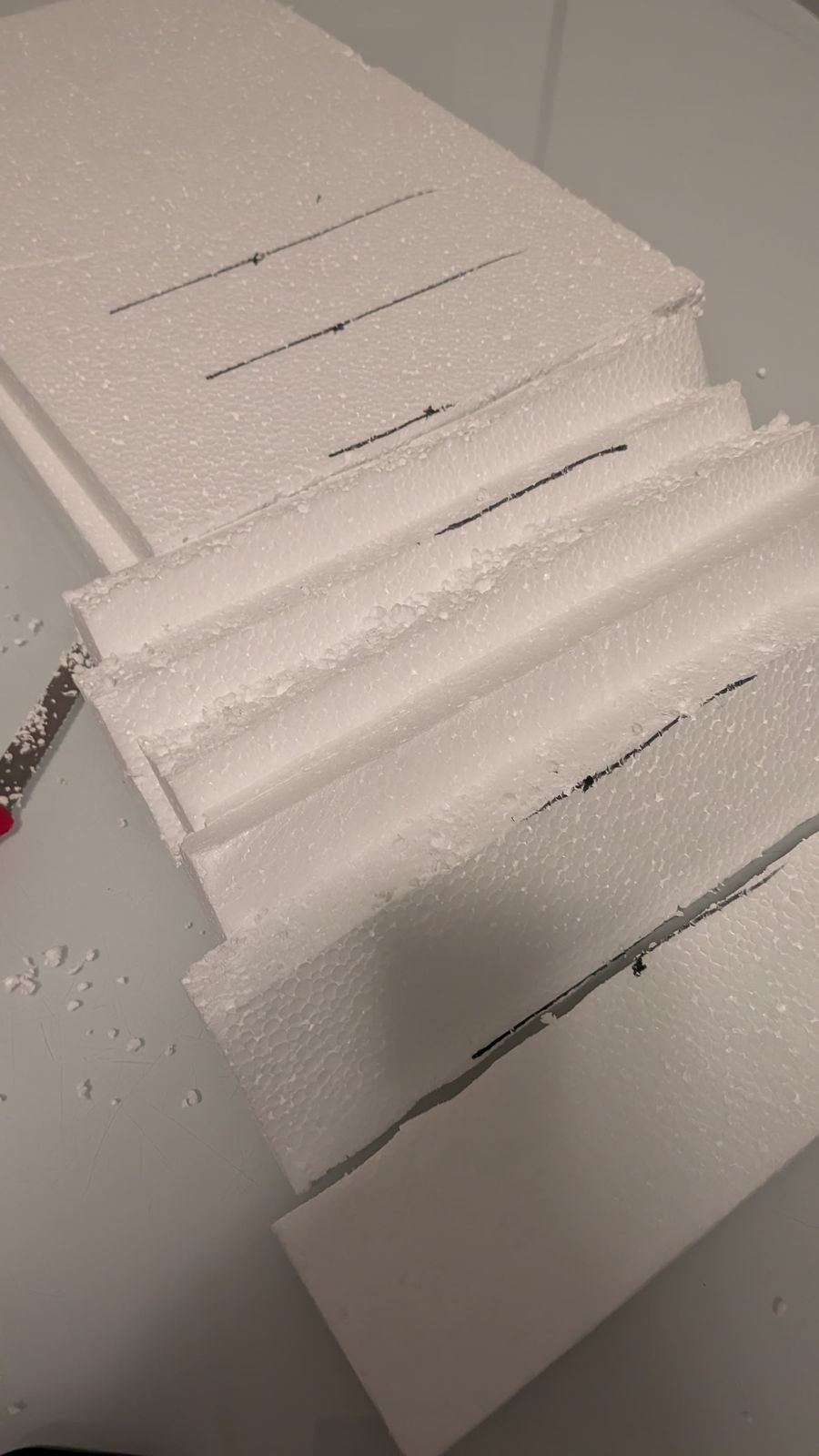
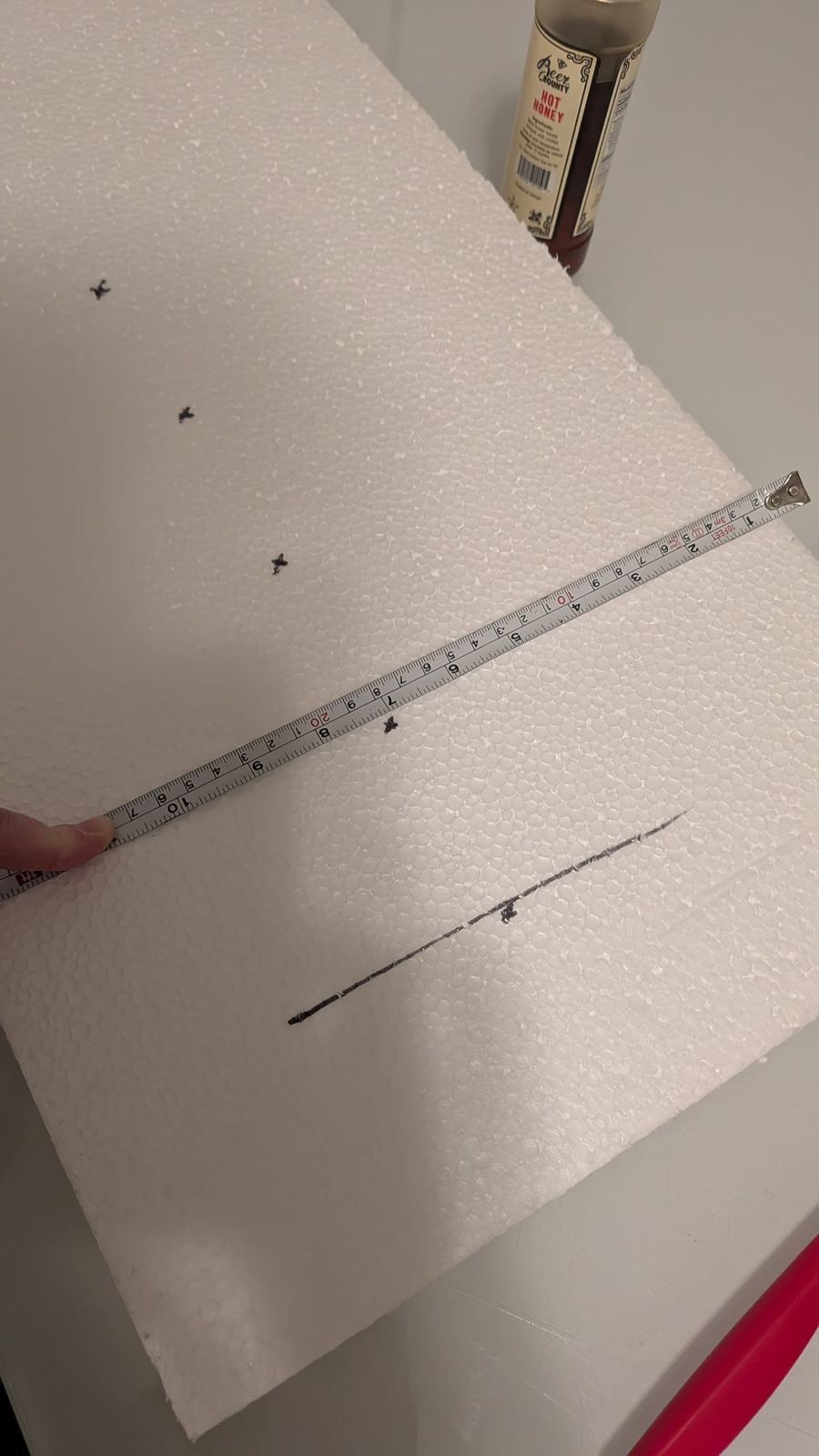
- GemaraThe Braisa (Tani alah) is the 'terms and conditions' that apply to the whole Mishnah. The beams must be a tefach wide and the space between them a tefach. Less than a tefach is just air.
- RashiRashi says this clearly regarding the spaces (partly unclear in recording).
- Illustration: if the top layer is not a tefach, you are in open air. You are tamei only if you are vertically under the beam with the tumah. Above that, or anywhere on top, the tumah goes up.
- The RebbiThe tumah is trapped under the entire beam, in the entire room, by chavut rami, because we closed it all up. On the second floor you are not tamei, because you are always in open air.
- GemaraBraisa inside: Bameh devarim amurim (when is the Mishnah in effect)? Bizman sheyesh bahen tefach, when the lower beams are a tefach, u'beineihen posei'ach tefach, with an opening of a tefach between them sideways.
- GemaraBut if there is no opening of a tefach between them sideways: tumah under one of the beams, tachteha tamei. Beineihen (sideways) or al gabeihen is tahor, whether you stand on top of a tefach beam or on a tightrope.
- MaskanaAlma, Rava's closing argument: ki is bei tefach amrinan chavut rami; ki leis bei tefach lo amrinan chavut rami. Shma minah.
- ChazarahSummary: from the Mishnah plus the Braisa's terms and conditions, Rava sees that chavut rami applies only to a tefach. We spend this much time because when chazering we will never learn it as well.
Kashas
- Why does the Mishnah list all three cases in Scenario A?
- Talmid's question: someone on the second floor straddling two staggered beams. Is he in the way of chavut rami, and does he become tamei? Left unresolved; the Gemara is not talking about that case.
- Talmid's question about a space already more than a tefach (rest unclear in recording).
Teirutzim
- It is a setup for the staggered case. When aligned, every wide beam is an ohel, and whoever shares a beam with the tumah, on any floor, is tamei.
- On the question about more than a tefach: generally it should be the same; we want the whole space filled.
Rashi & Tosafos
- Rashi: There is a fairly large Rashi here, connected to those who don't accept the basic reading of 'beineihen' (rest of the reference unclear in recording).
- Rashi: Rashi says clearly that less than a tefach between the beams is just air (partly unclear in recording).
Mareh mekomos
- Mishnah in Ohalos (koros habayis v'ha'aliyah), brought as Rava's source for chavut rami.
- Braisa, Tani alah (line 25): limits the Mishnah to beams of a tefach with an opening of a tefach between them.
The Rebbi’s chiddushim
- Organizing the Mishnah into Scenario A (aligned: three cases) and Scenario B (staggered: two cases).
- In the staggered case 'beineihen' is horizontal (right and left), not vertical.
- Chavut rami only brings down, never up; it only fills a gap.
- The Braisa is the 'terms and conditions' on the Mishnah's offer.
- Less than a tefach is just air.
Unclear in recording
- After mentioning the large Rashi, a further reference ('taisvis', the stuff in the back) could not be made out.
- The talmid's question about a space of more than a tefach ('could you use love to connect') is garbled.
- Whether the Rebbi attributed the conclusion to Rava or Abaye at this point ('Rava, yeah, Abhi') is unclear.
Drafted from the recording of the shiur, for chazarah. Torah terms follow the Rebbi’s own words; anything that could not be made out is marked “unclear in recording”. Tap a time to hear that point. Corrections welcome.