Shiur summary (draft from the recording)
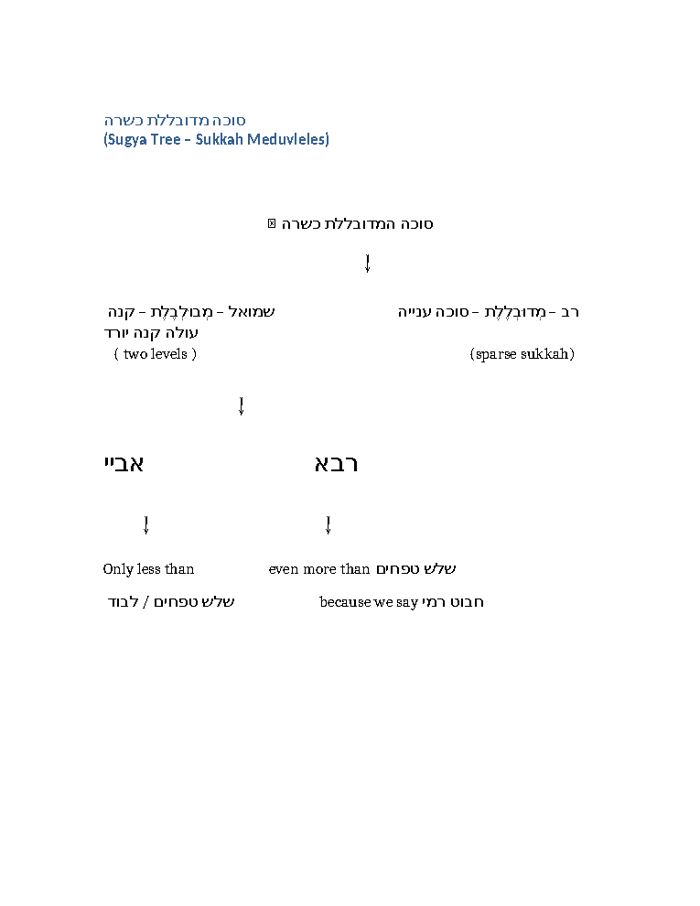
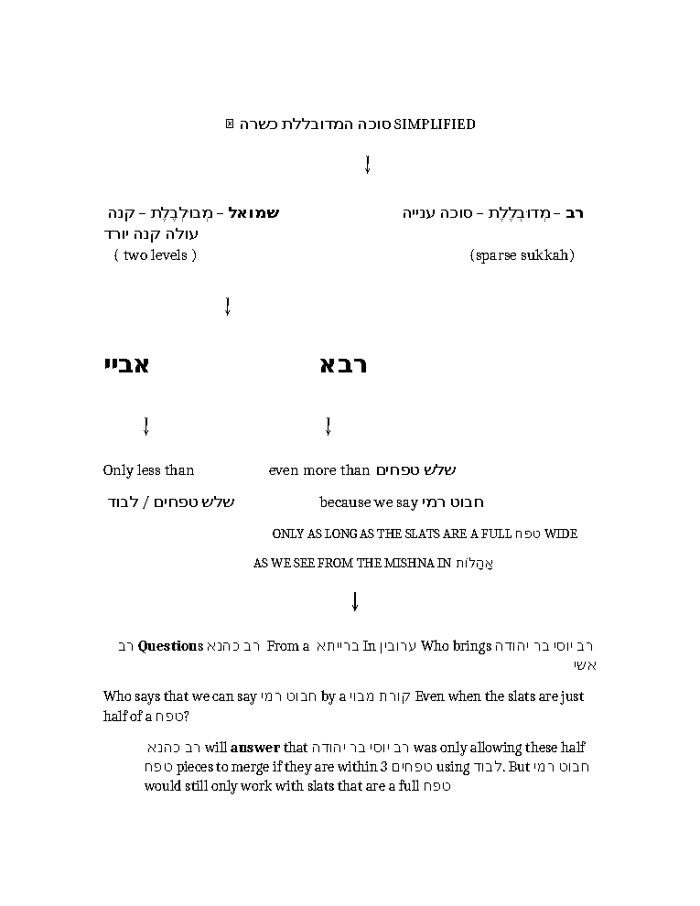
Chavut Rami: Rav Ashi's Kasha from Koros
Sukkah 22a · from line 29 · Wednesday, November 12, 2025
The sugya
The shiur finished the proof that we say chavut rami only when the schach (beam) is a tefach wide. Rav Ashi then asks Rav Kahana from a braisa about a koreh (beam) that does not reach across an entrance. The Rebbi explained the mavui and koreh background and read the braisa: a gap of less than three tefachim needs no extra beam, and Rabban Shimon ben Gamliel says less than four. He closed with an introduction to the levenah and ariach bricks for the next case, to be continued tomorrow.
Step by step (shakla v’tarya)
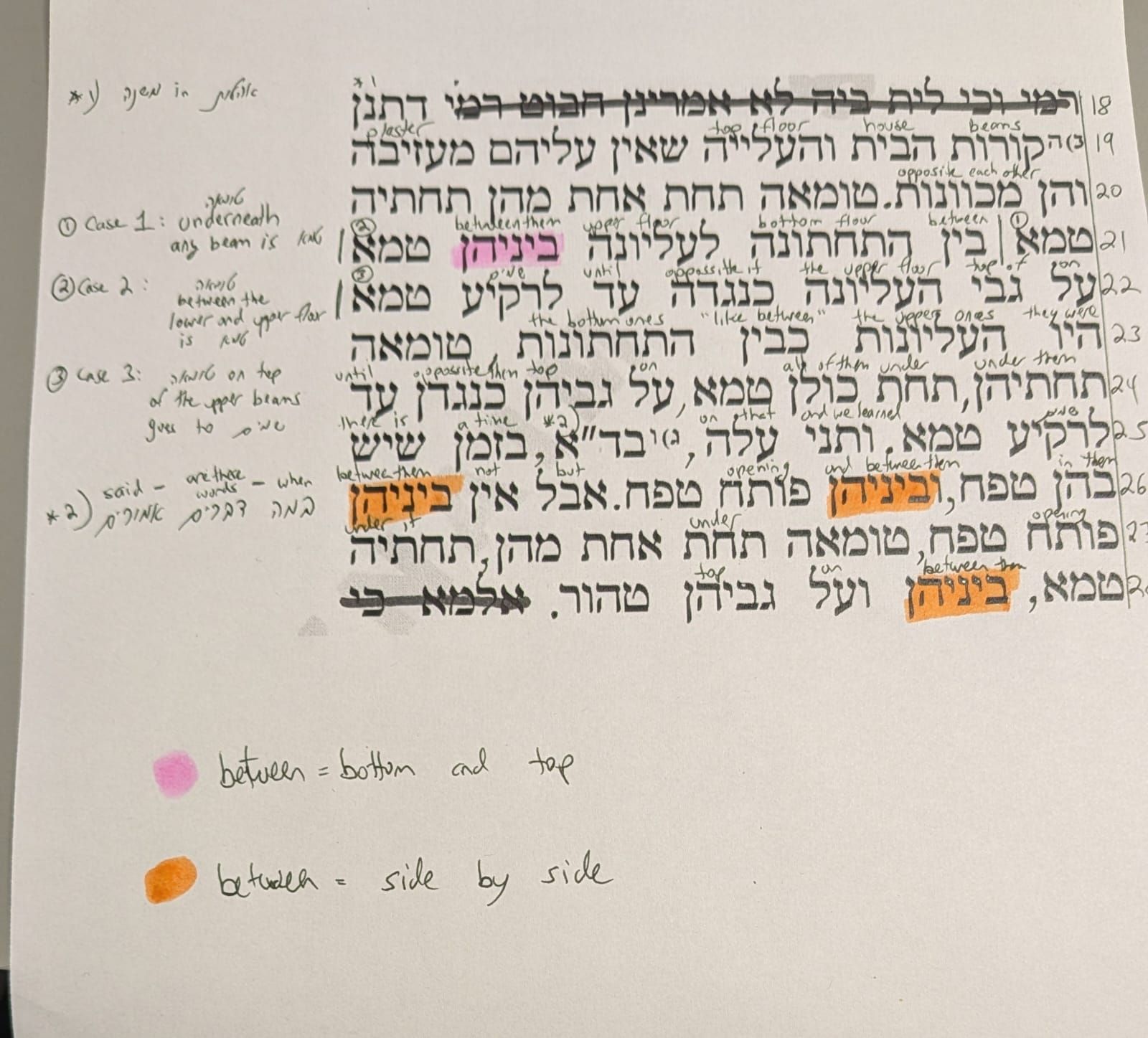
- MaskanaLine 29, 'Alma': from the Mishnah together with the extra braisa we see that when there is a tefach we say chavut rami (the schach can be viewed as brought down). When there is no tefach we do not say chavut rami. 'Shema minah'.
- GemaraRav Kahana was sitting and saying over this shmaita, the whole topic learned yesterday. Rav Ashi, one of those listening, asked him a question.
- KashaRav Ashi: is it really so that wherever there is not a tefach we do not say chavut rami? A braisa seems to say it works even if the piece on top is smaller.
- Background: off the reshus harabim were mavuyos (alleyways), which are a reshus hayachid where one may carry. A koreh or tzuras hapesach is needed across the entrance so people remember they are in a mavui and do not carry out into the reshus harabim.
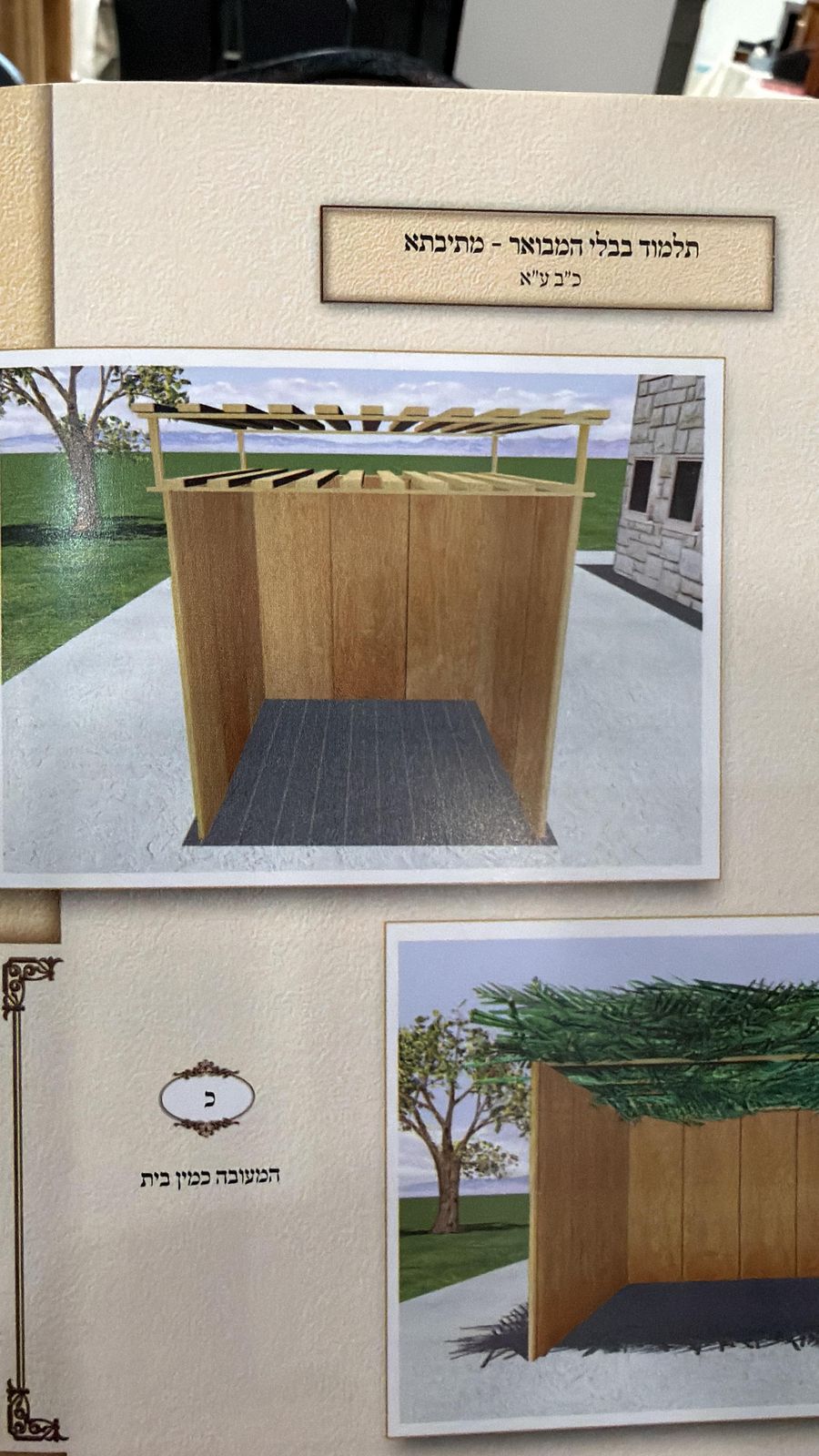
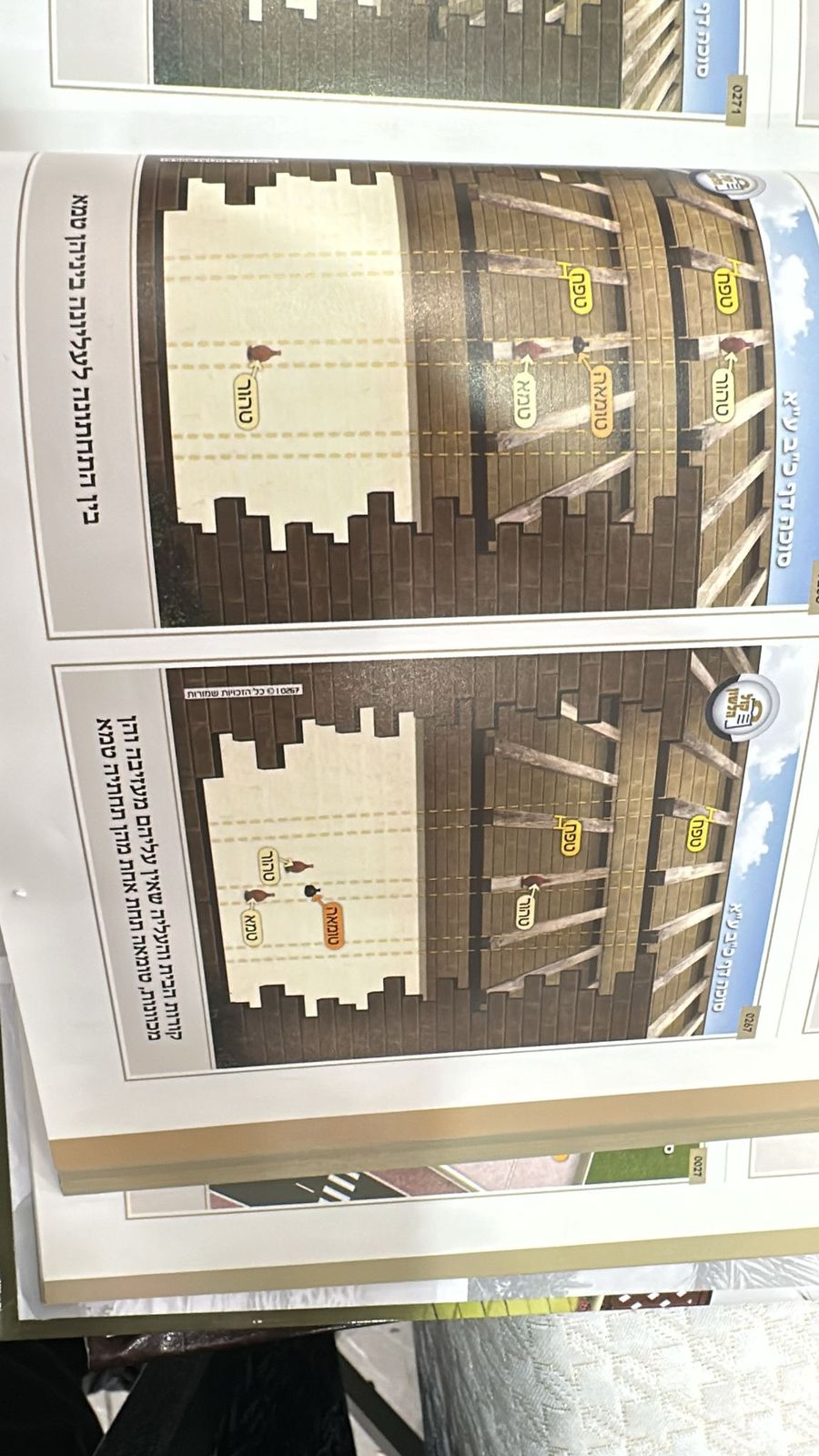
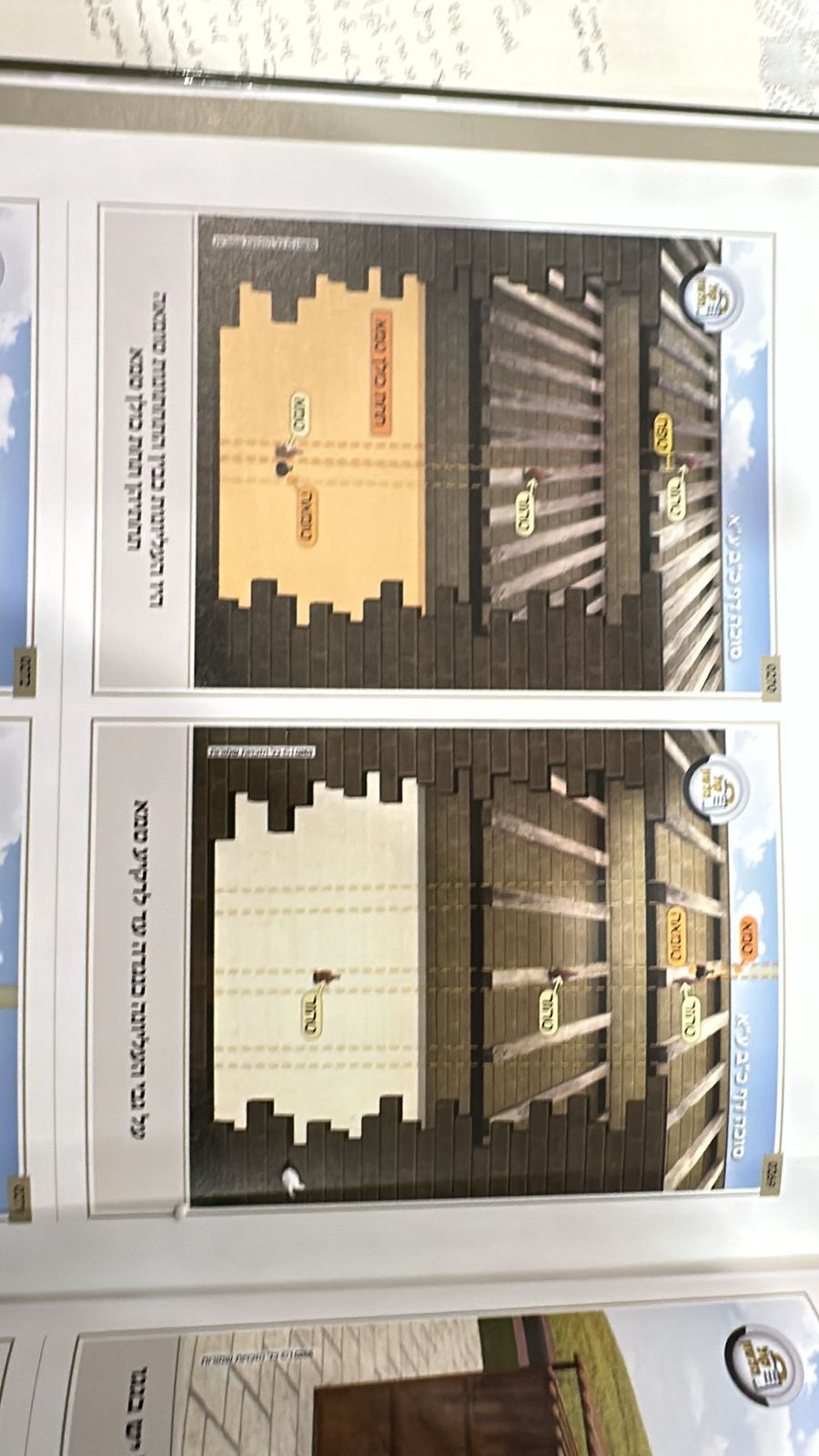
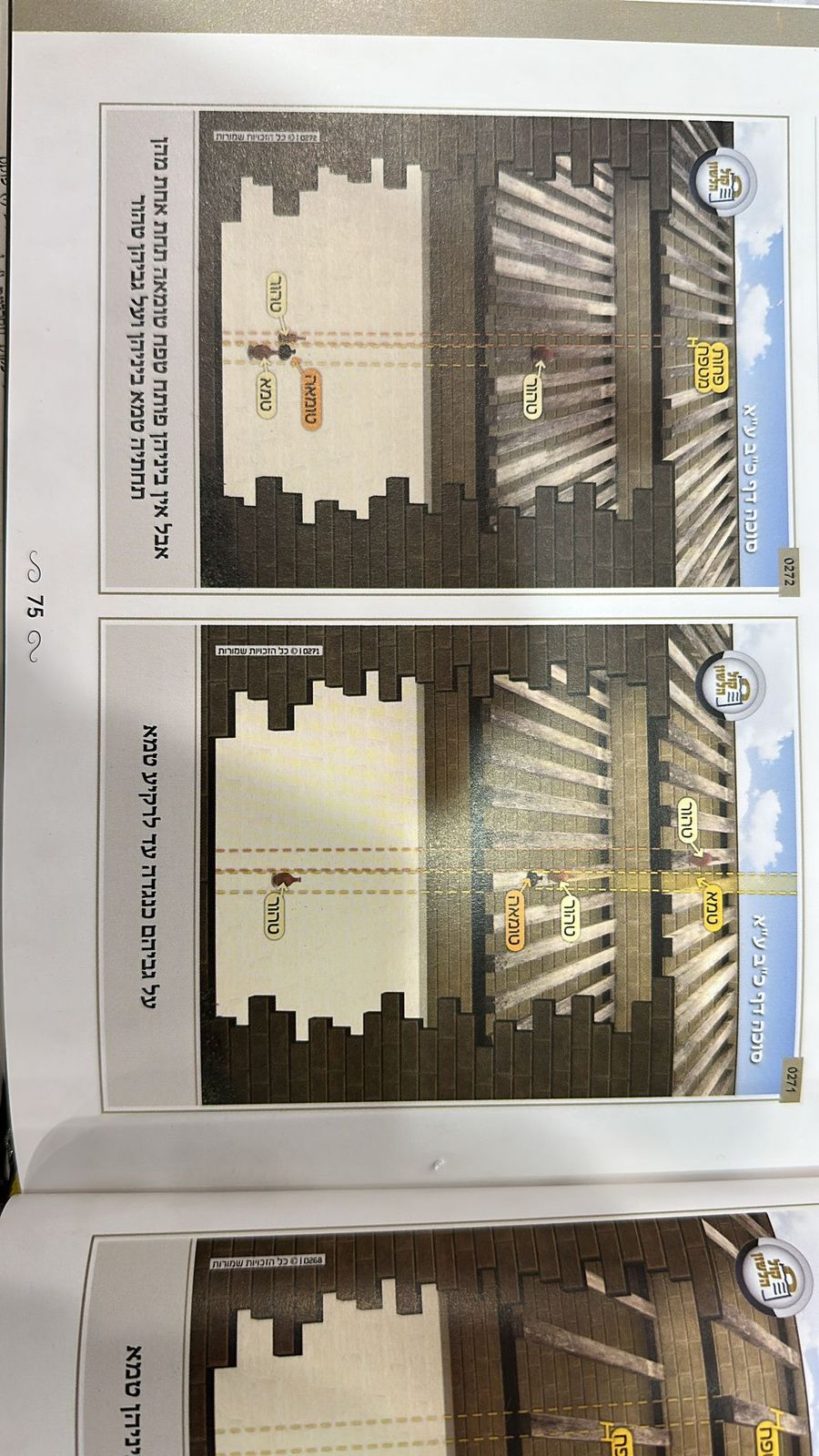
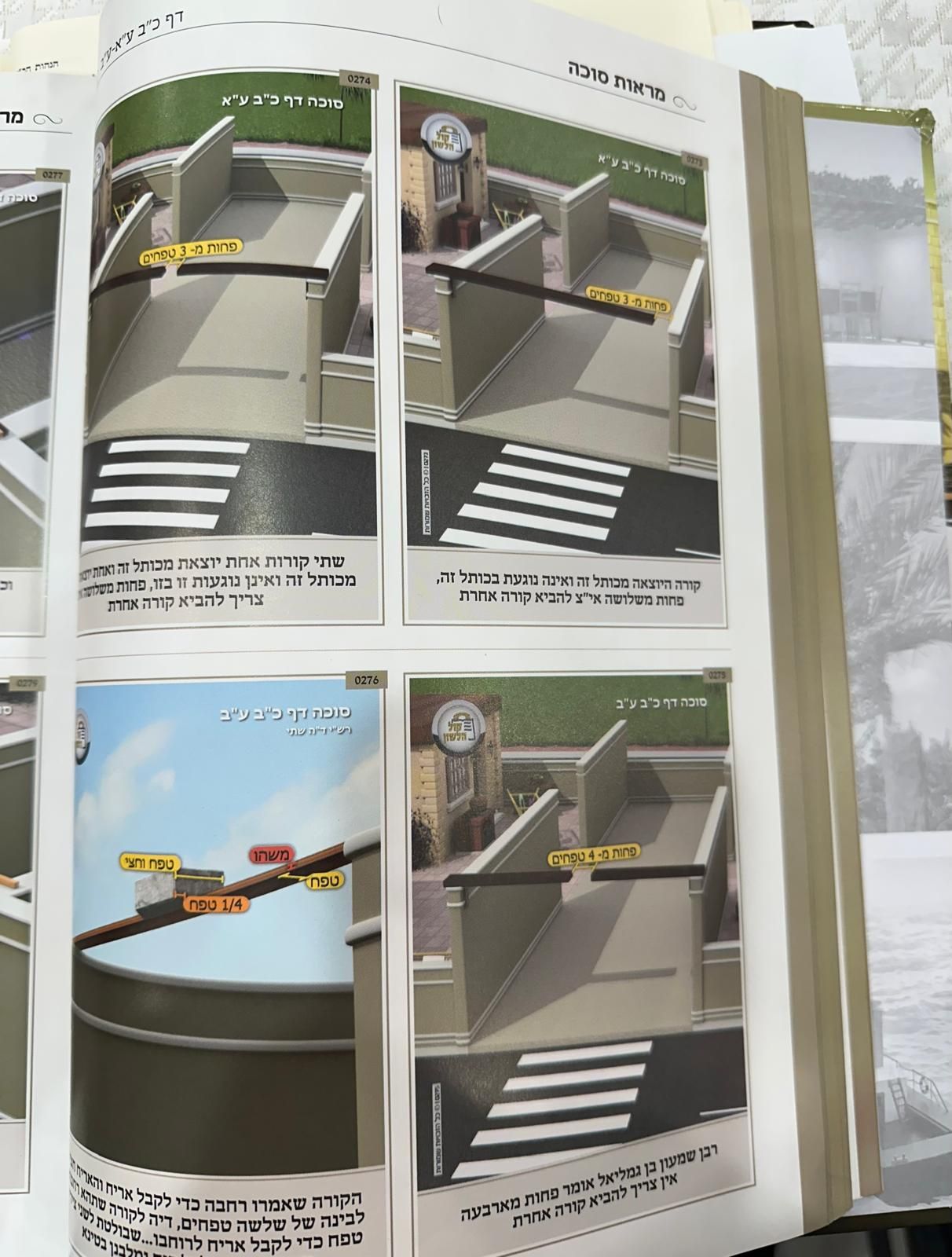
- GemaraLine 34, the braisa, gives two cases. In the first, a koreh comes out of one wall and does not touch the opposite wall. In the second, two beams come out of opposite walls and do not touch each other. The beams are stuck into the wall, like a porch held up by a steel beam.
- GemaraLine 37: if the gap is less than three tefachim, no other beam is needed. If it is three or more, another beam is needed. This is the same in both cases. The point is to connect the gap; the beam does not have to be one piece of wood.
- MachlokesRabban Shimon ben Gamliel is more lenient: less than four needs no other beam, and four or more needs another beam.
- ShitahThis is a machlokes about the shiur of lavud. The Tanna Kamma (the Rebbi said he thinks it is Rebbi) holds lavud is three, and RSBG holds four. We pasken like the Tanna Kamma, so every sukkah today uses lavud of three.
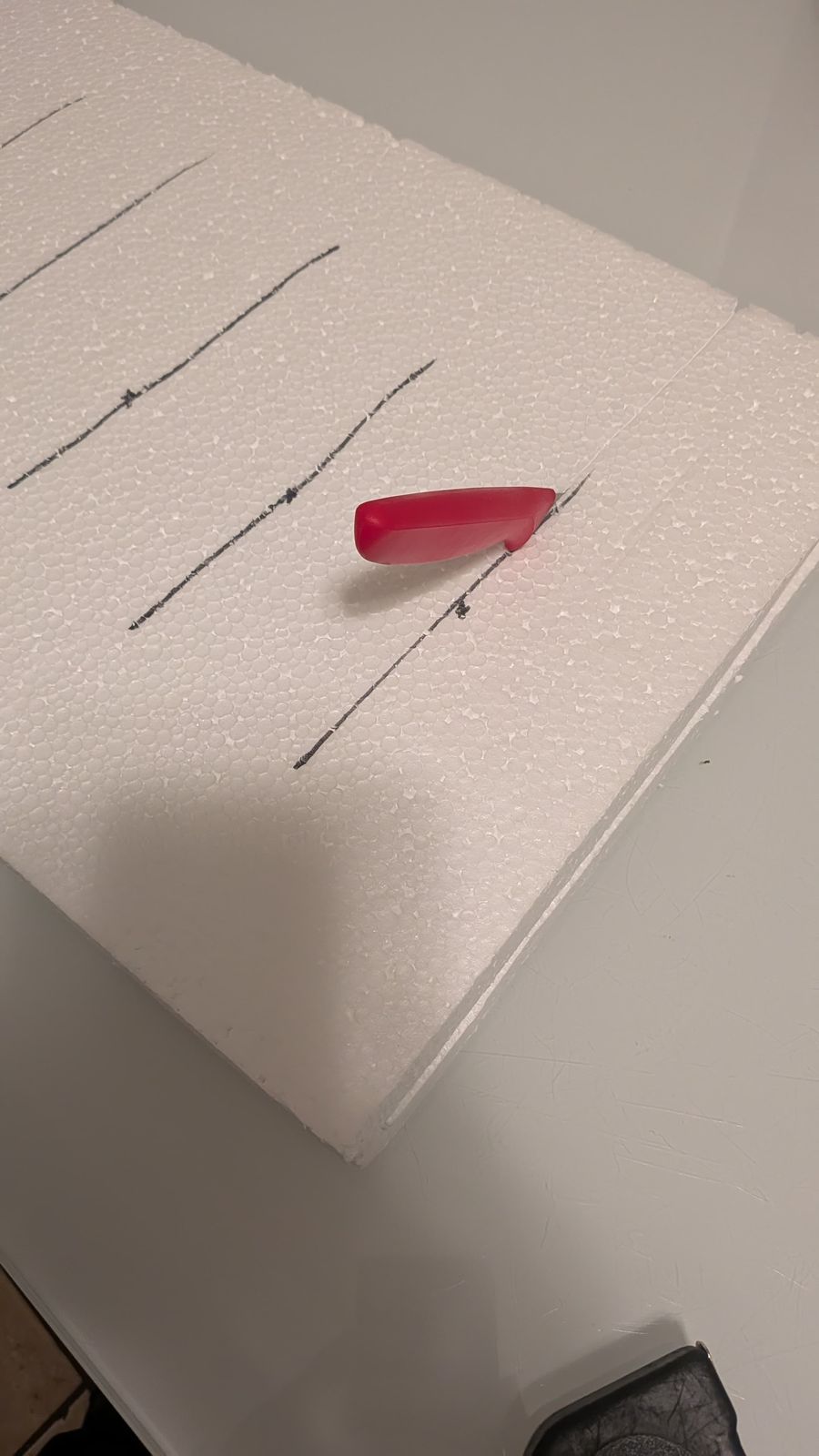
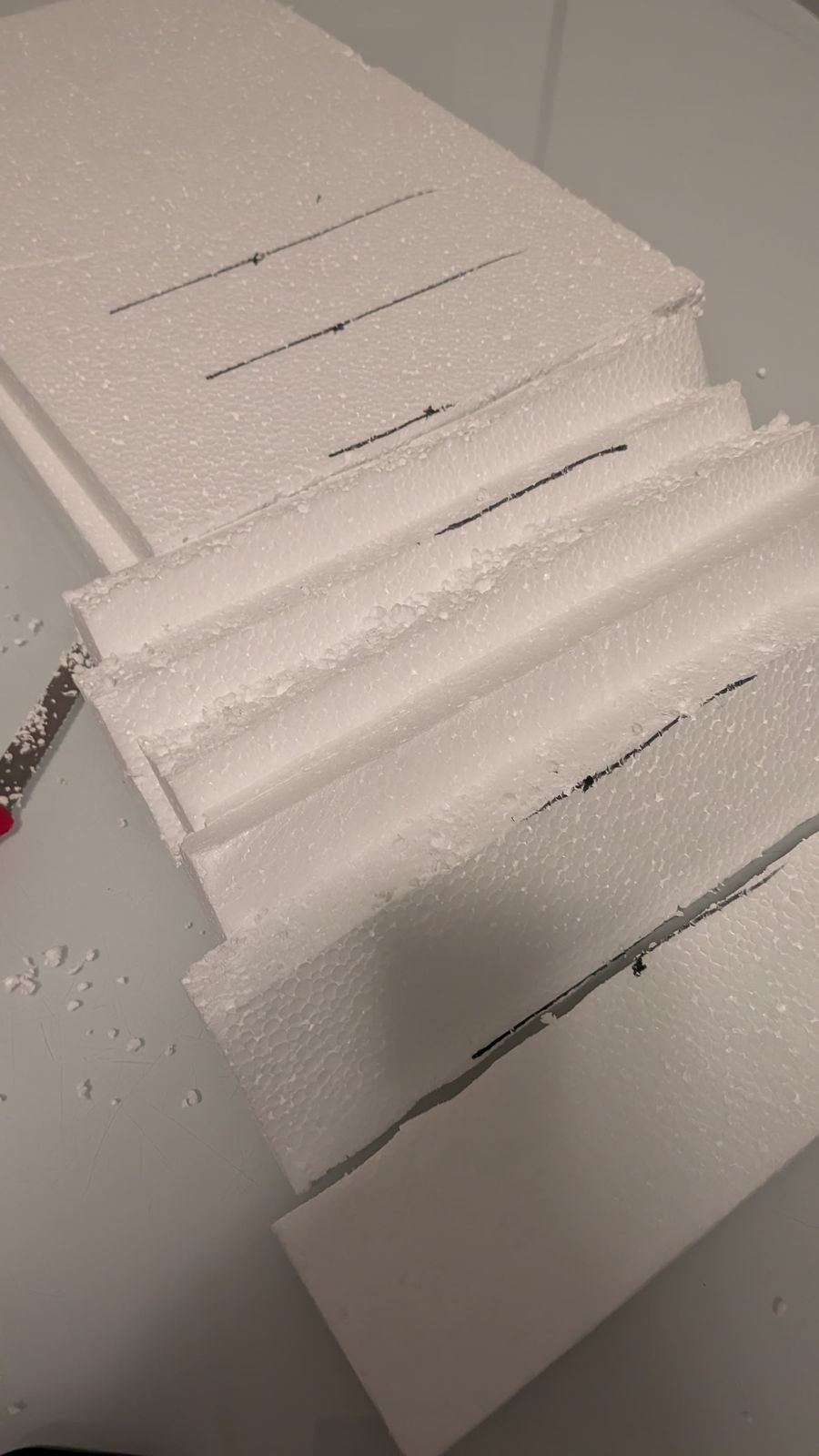
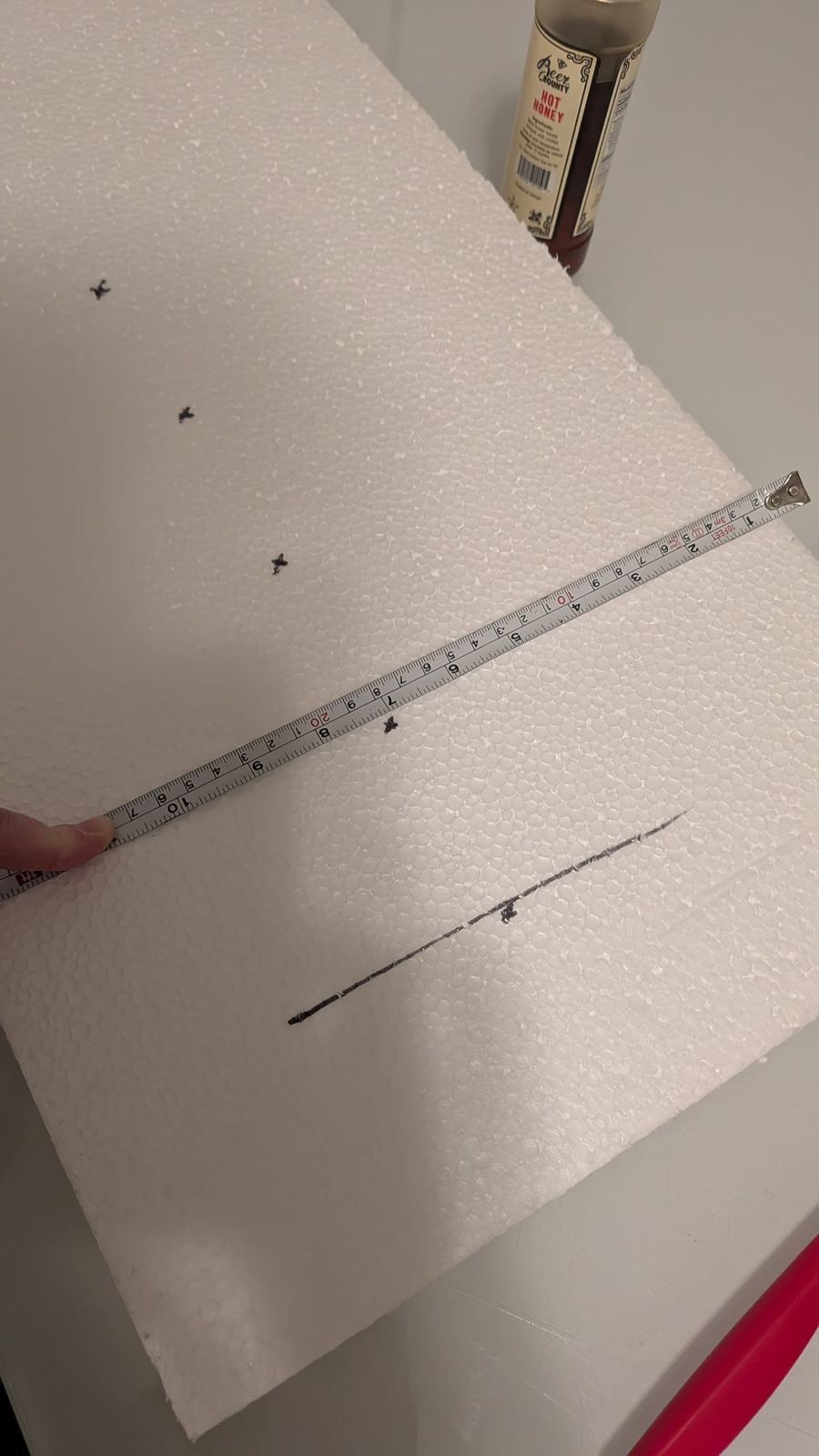
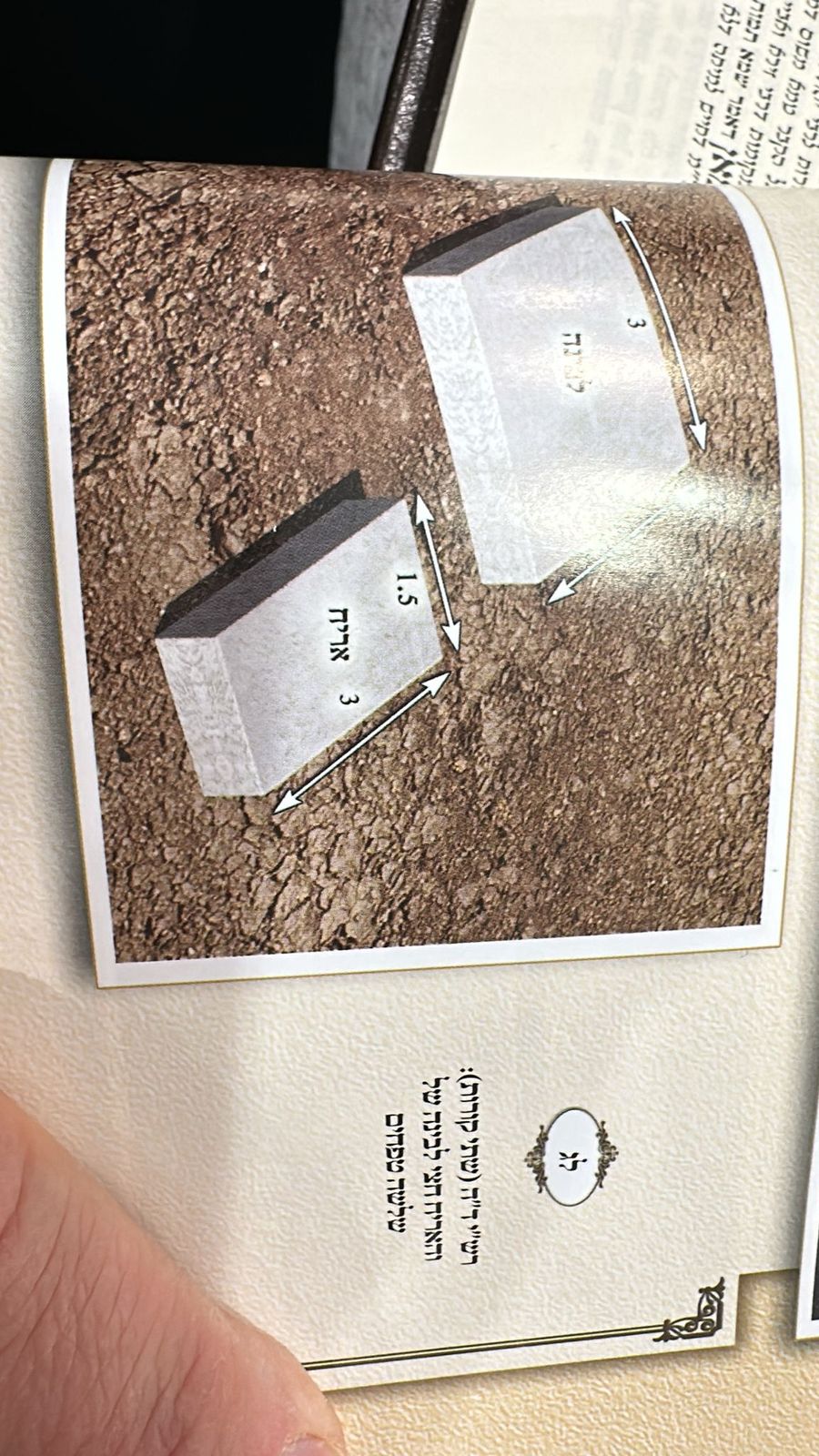
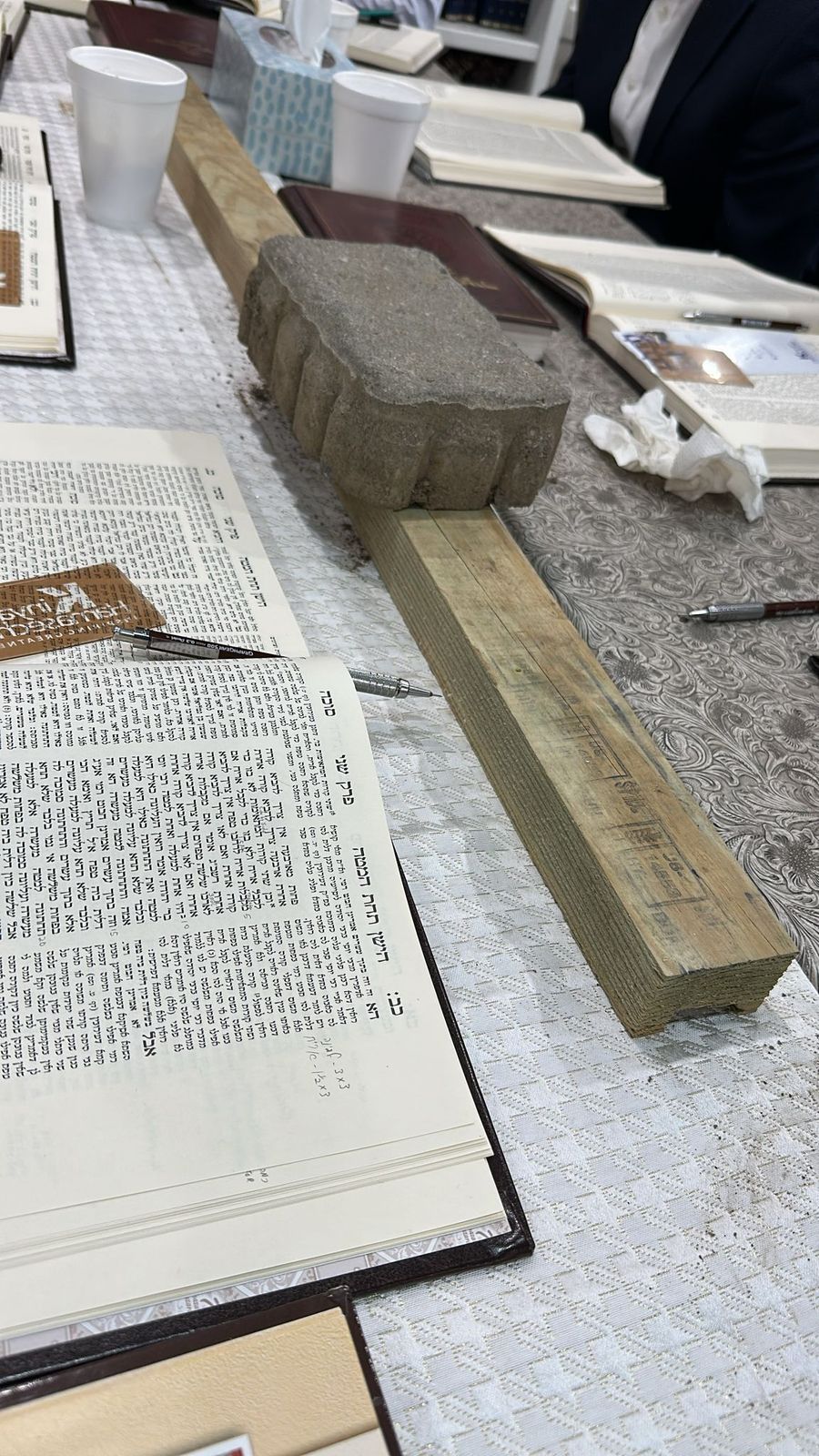
- Introduction to the next case, which deals with two types of bricks. A levenah, from 'lavan' because it was white limestone, was three by three tefachim (about three by three by one) and was used in walls. An ariach is half of that: one and a half by three, a rectangle and not a square.
- The RebbiThe beam must be wide enough for an ariach to rest on its width without falling, meaning mostly supported, with a little allowed to stick out on each side. So the beam must be at least a tefach. For now this is only a matter of size; later the Gemara will add the beam's strength (integrity), which will be learned tomorrow.
Kashas
- Rav Ashi to Rav Kahana: is it true that wherever there is not a tefach we do not say chavut rami? A braisa about a koreh seems to say it works even when the piece on top is smaller.
Rashi & Tosafos
- Rashi: The Rebbi pointed to Rashi as showing the beam under discussion. Exactly what was being shown is unclear in recording.
Mareh mekomos
- Braisa on line 34: a koreh that does not reach the opposite wall, or two beams that do not meet. Less than three tefachim needs no other beam; RSBG says less than four. Brought by Rav Ashi as a kasha on the rule that without a tefach we do not say chavut rami.
The Rebbi’s chiddushim
- 'Shmaita' literally means a sugya or topic, from the word 'shama'.
- The koreh's purpose is a reminder: so that someone carrying in the mavui does not accidentally walk out into the reshus harabim.
- In both cases of the braisa the problem is the same: the beam must be connected across the gap, and filling the gap is enough.
- Every sukkah nowadays relies on lavud of three tefachim, because we do not pasken like RSBG.
- For now the required width of the beam is only a matter of size: it must hold an ariach on its width. The requirement of strength comes later.
Unclear in recording
- Something about where this braisa appears ('in Erevan', possibly Eruvin) is unclear in recording.
- The stated width that defines a reshus harabim is unclear in recording.
- The phrase 'Rividea 4' in connection with tzuras hapesach is unclear in recording.
- The rule the Rebbi gave for why we pasken like the Tanna Kamma and not RSBG is unclear in recording.
- The finger calculation of the tefach and the overhang of the ariach is unclear in recording.
Drafted from the recording of the shiur, for chazarah. Torah terms follow the Rebbi’s own words; anything that could not be made out is marked “unclear in recording”. Tap a time to hear that point. Corrections welcome.