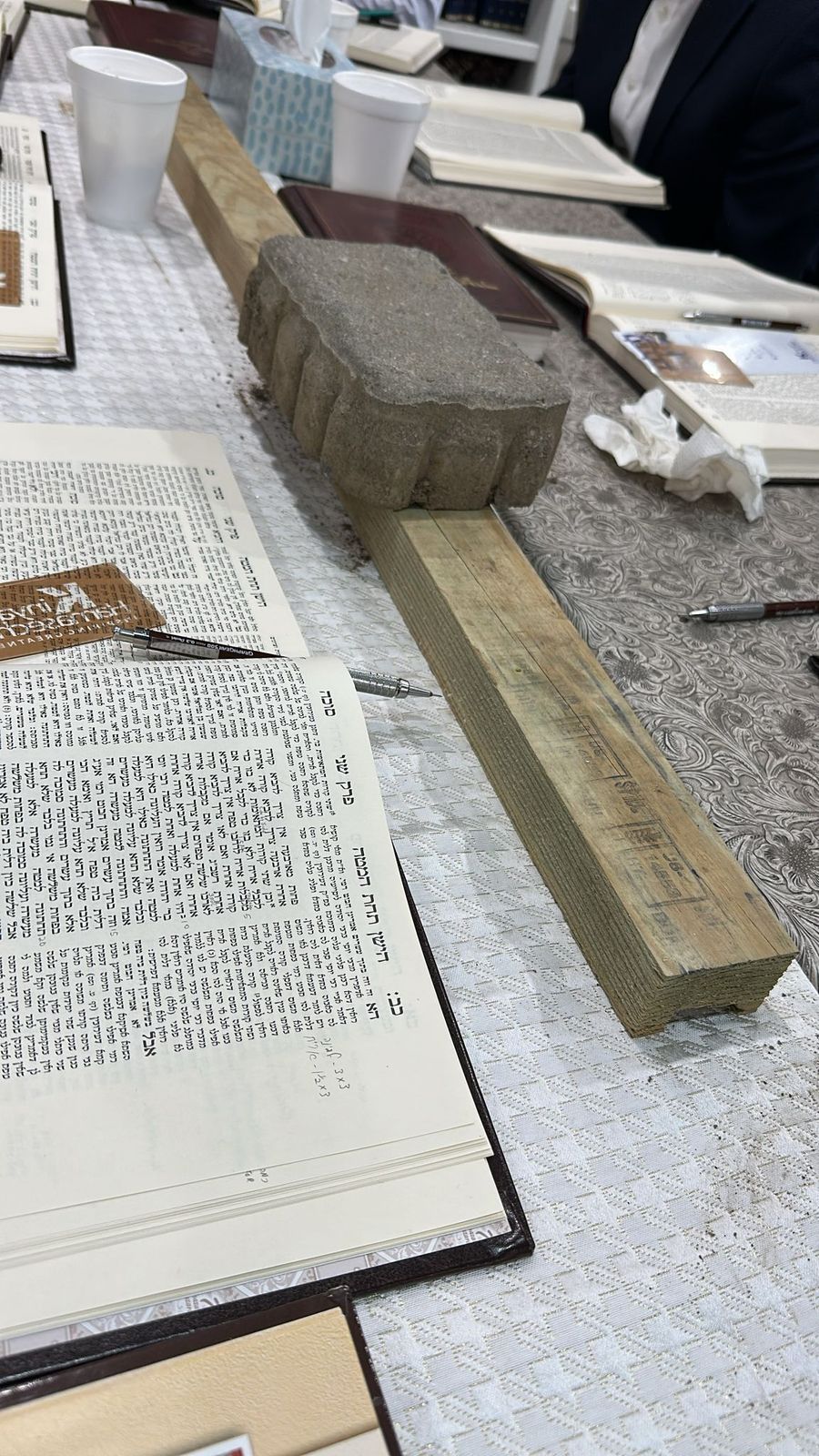
Rav Ashi's Kasha: Beams That Hold an Ariach
The sugya
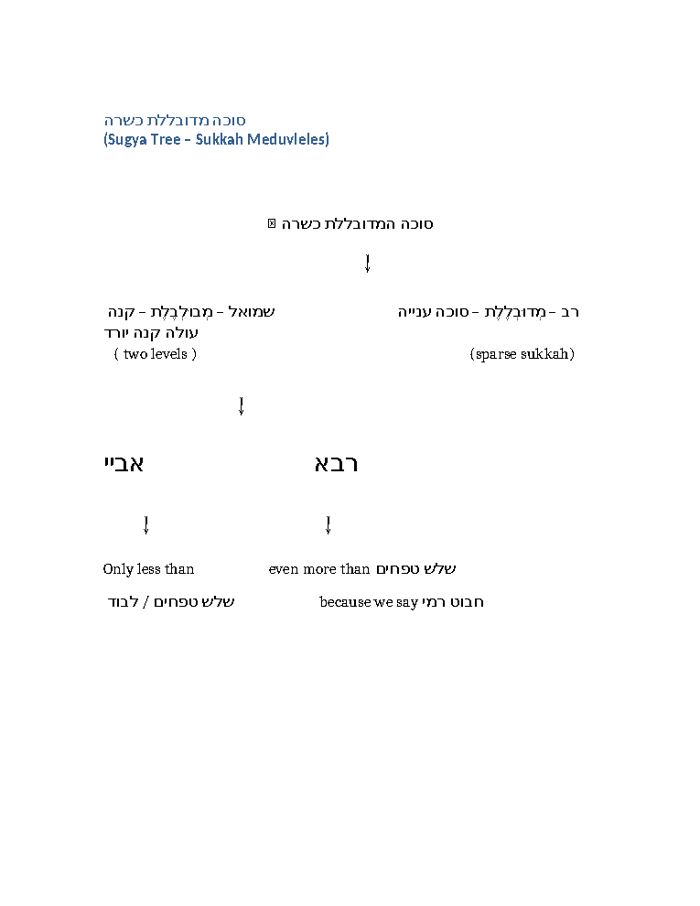
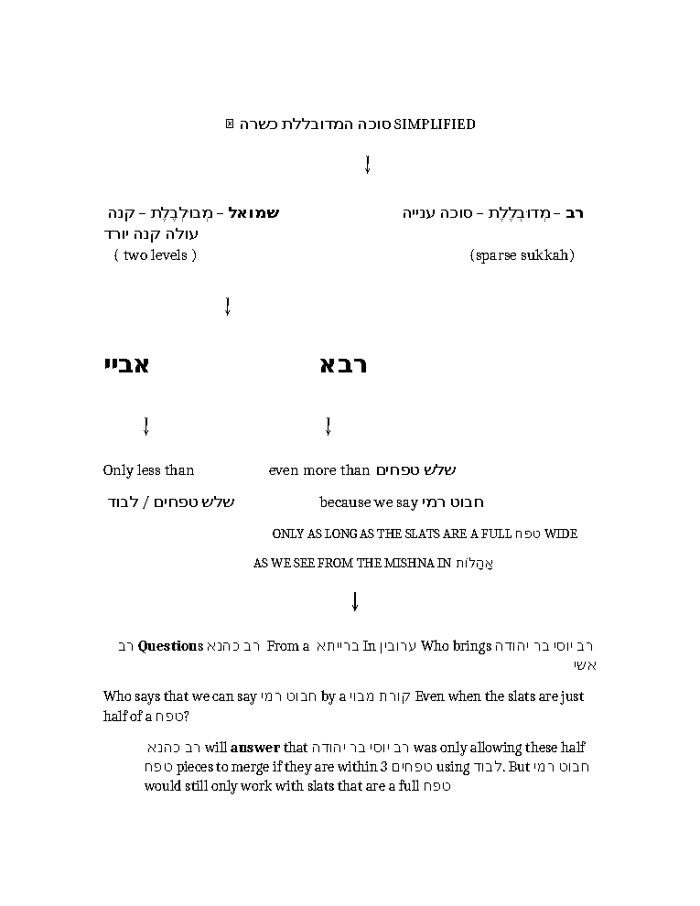
The shiur continues the sugya of chavut rami. The aim is to test whether chavut rami really needs a tefach. Rav Ashi asks Rav Kahana from a Baraisa in Eruvin about the koreh of a mavoi. The shiur covered the first cases of that Baraisa: a beam with a gap, and two thin beams side by side. It spent most of the time on the machlokes between the Tanna Kamma (the beams together must hold an ariach on its width, a tefach) and Rabban Shimon ben Gamliel (enough if they hold an ariach on its length, three tefachim). It ended with a preview of the case of one beam above and one below, which will lead back to chavut rami.
Step by step (shakla v’tarya)
- The goal of this Gemara is to question whether chavut rami really requires a tefach.
- GemaraRav Kahana sat and said over this shmaatsa. Rav Ashi asked him: do we really say that wherever there is no tefach we do not say chavut rami?
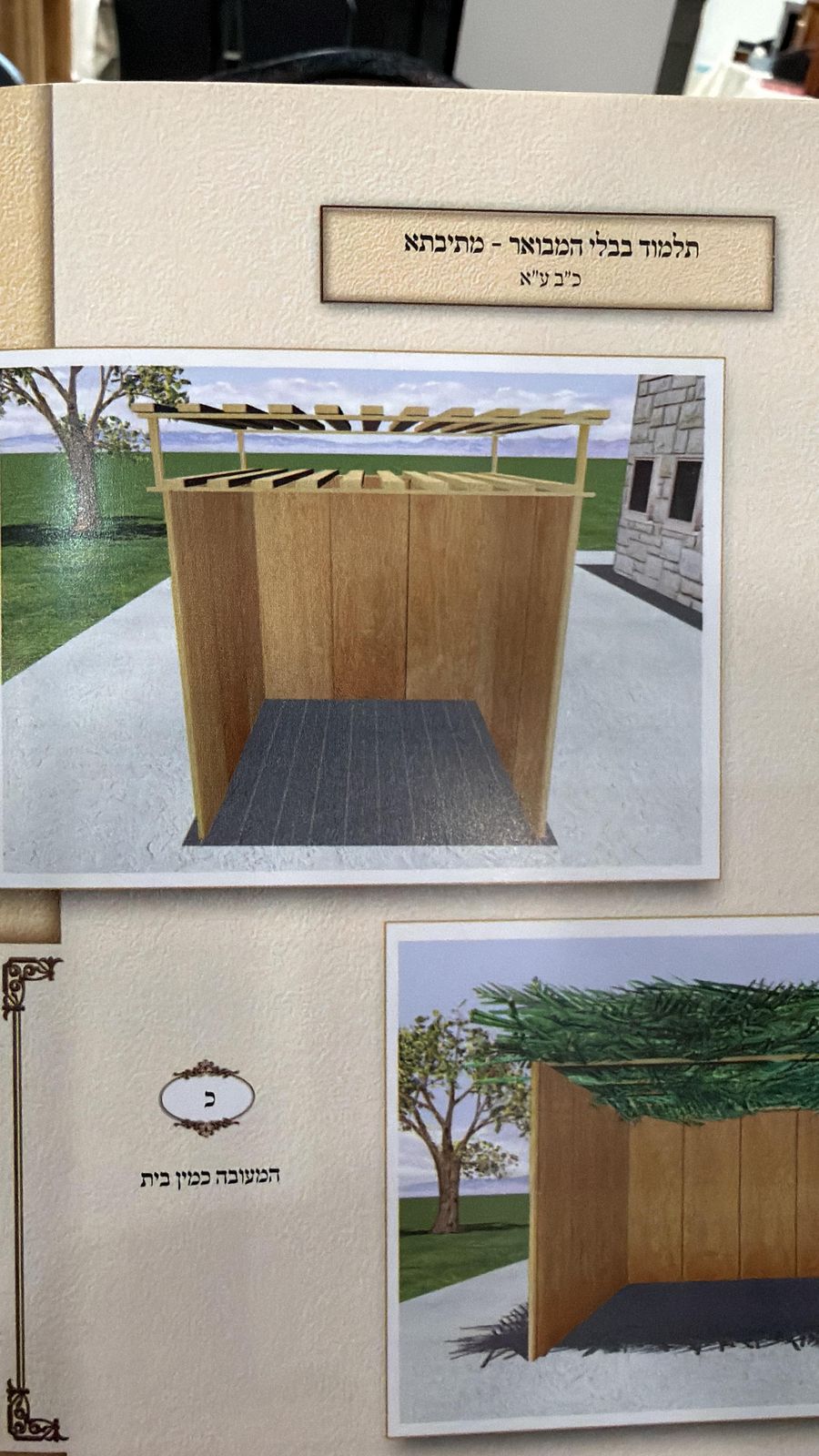
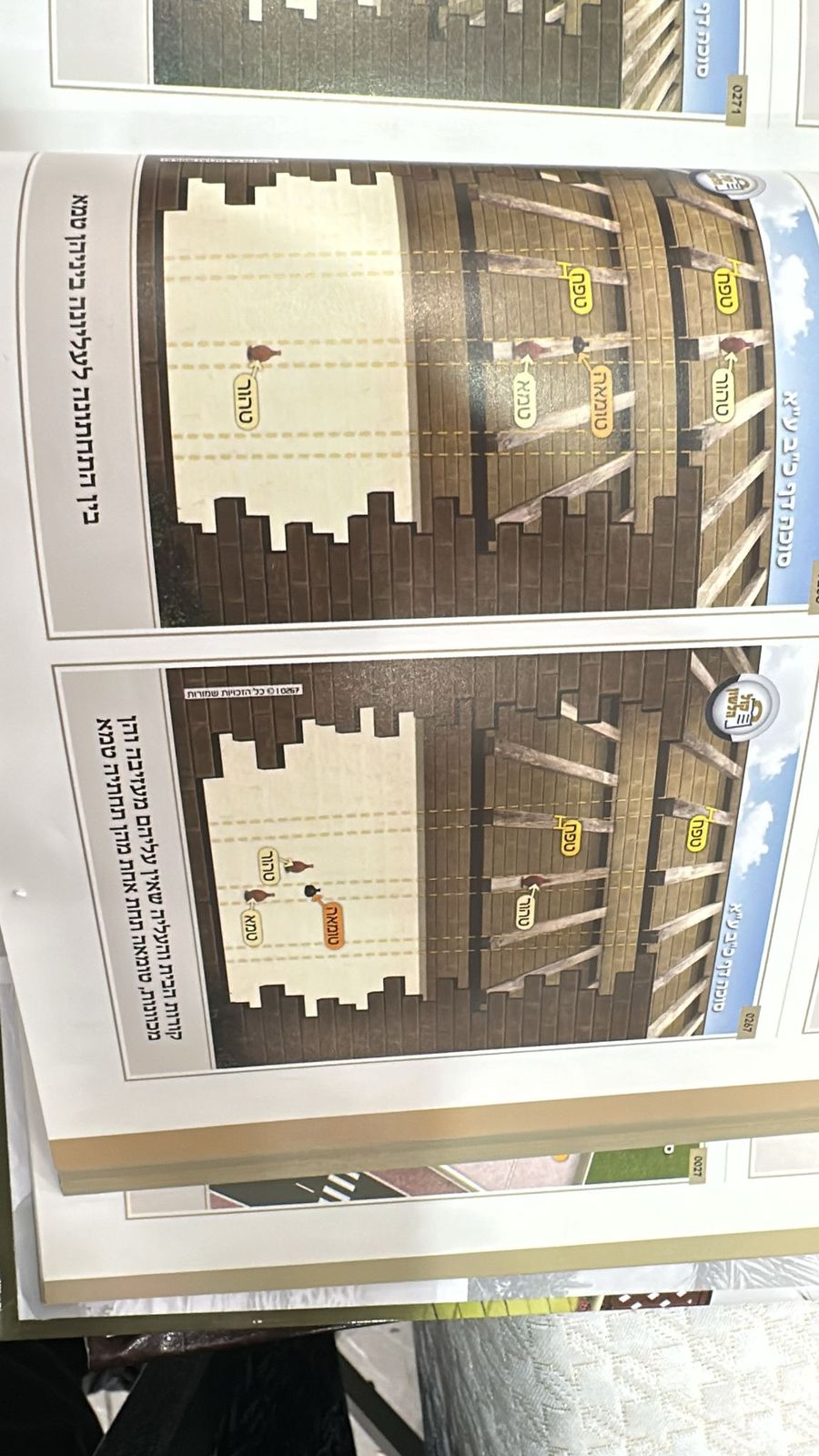
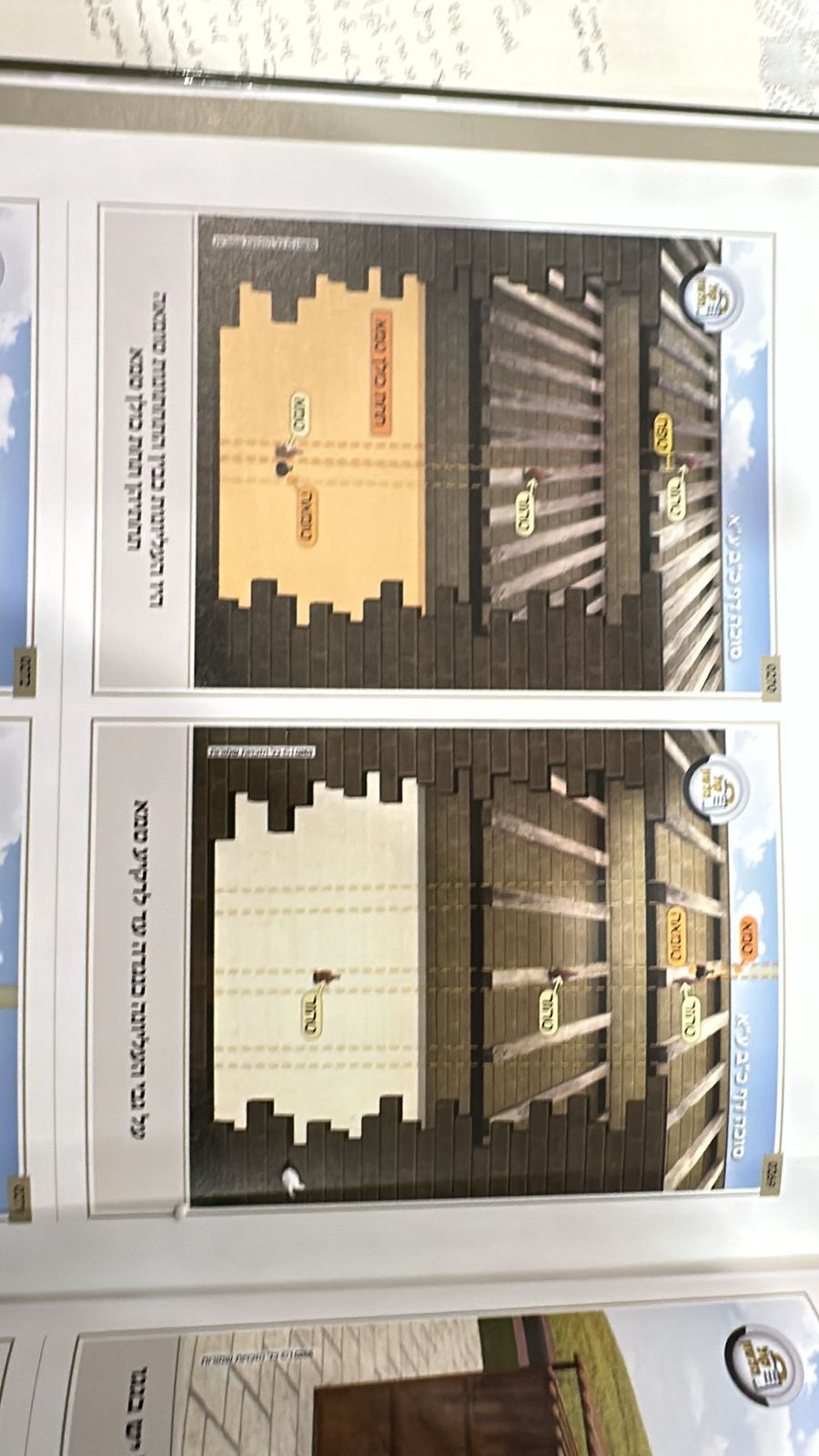
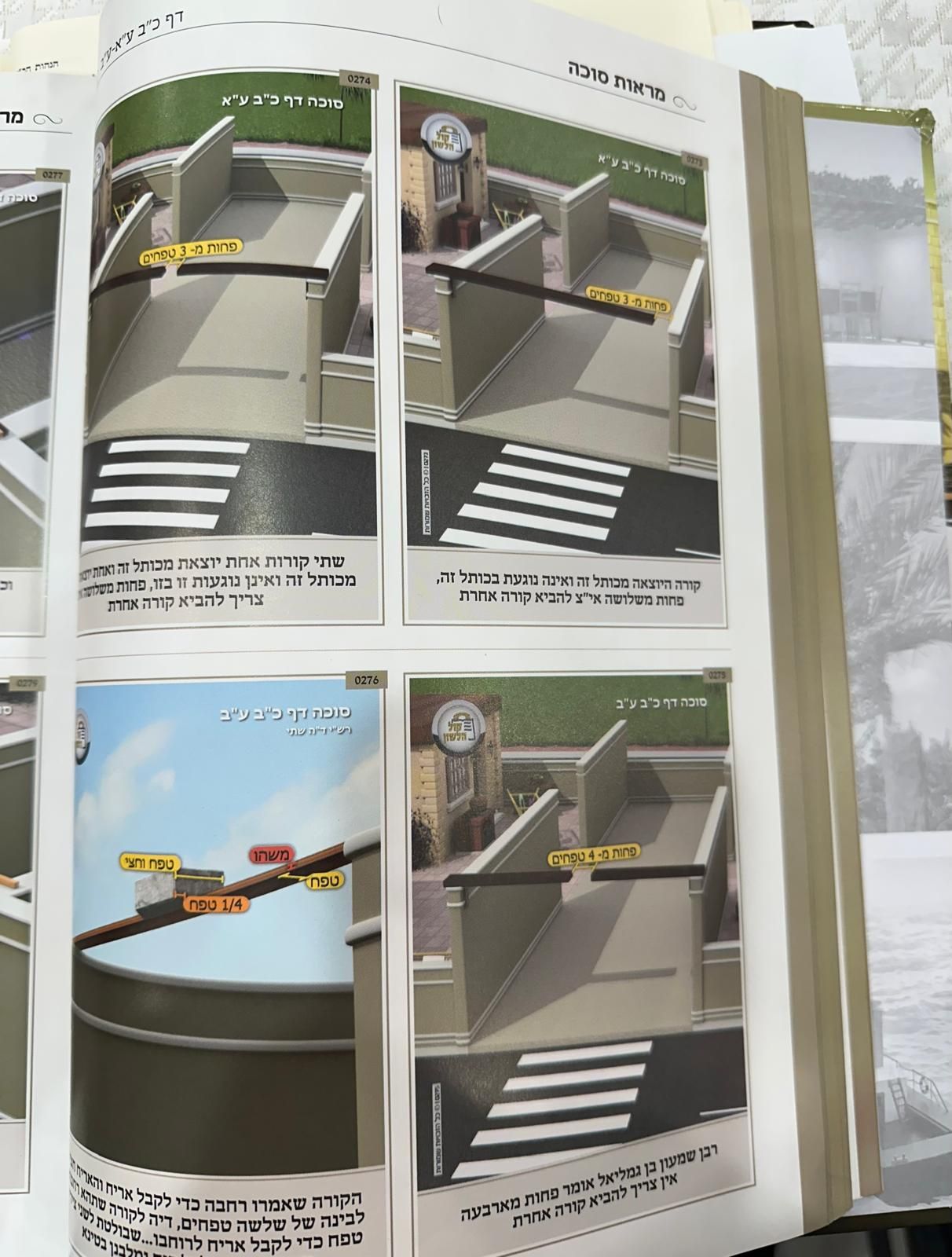
- KashaRav Ashi brings a Baraisa from Eruvin. A beam comes out of one wall and does not reach the other wall, or two beams come out of opposite walls and do not touch. If the gap is less than three tefachim, no other beam is needed. If it is three, another beam must be brought.
- MachlokesRabban Shimon ben Gamliel is more lenient and gives an extra tefach. Less than four, no other beam is needed; four or more, another beam is needed.
- A talmid pointed out that bringing another beam means fixing the gap. The Rebbi suggested it was probably easier to take another beam of the right size that brings the gap under four or three.
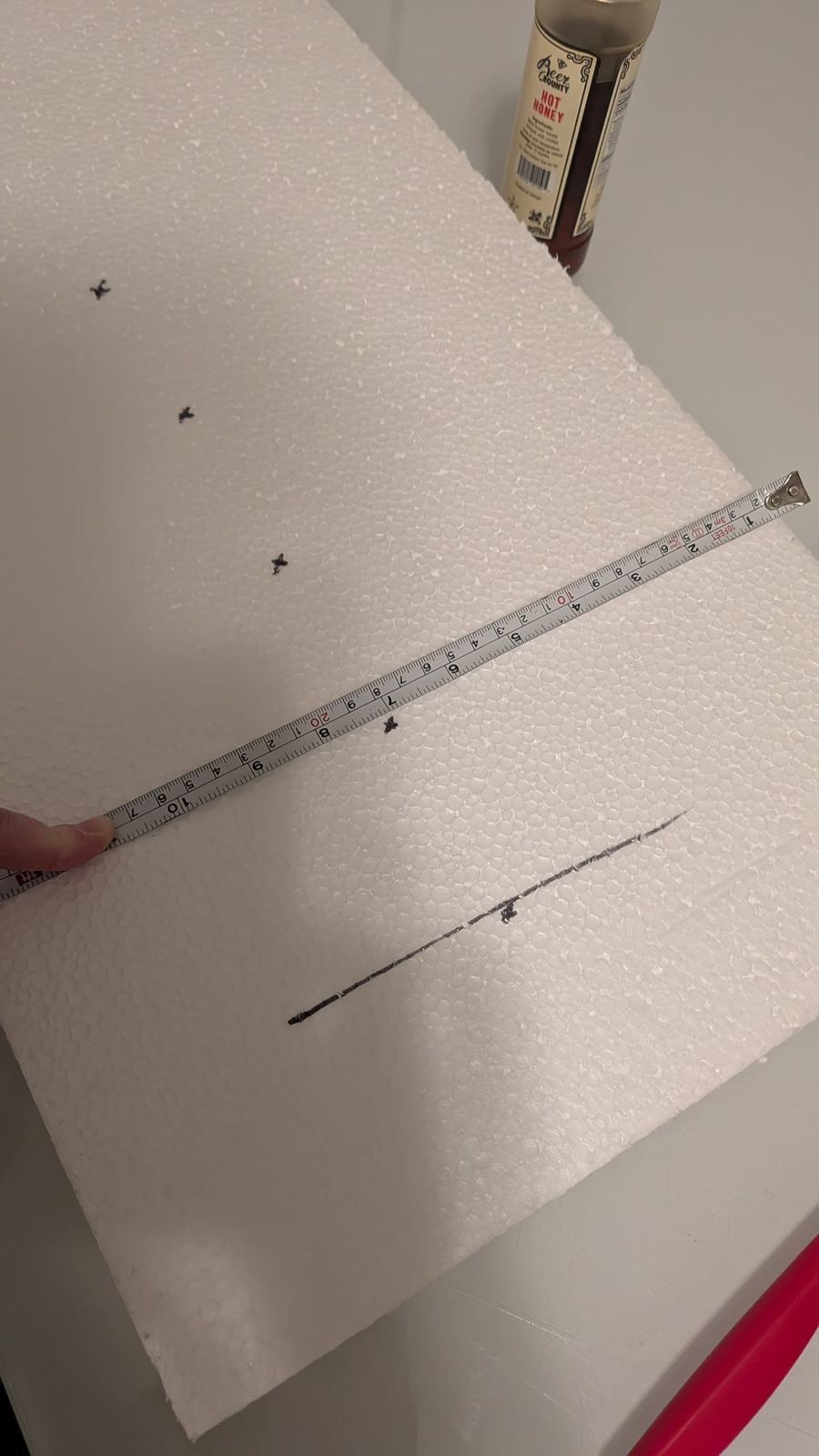
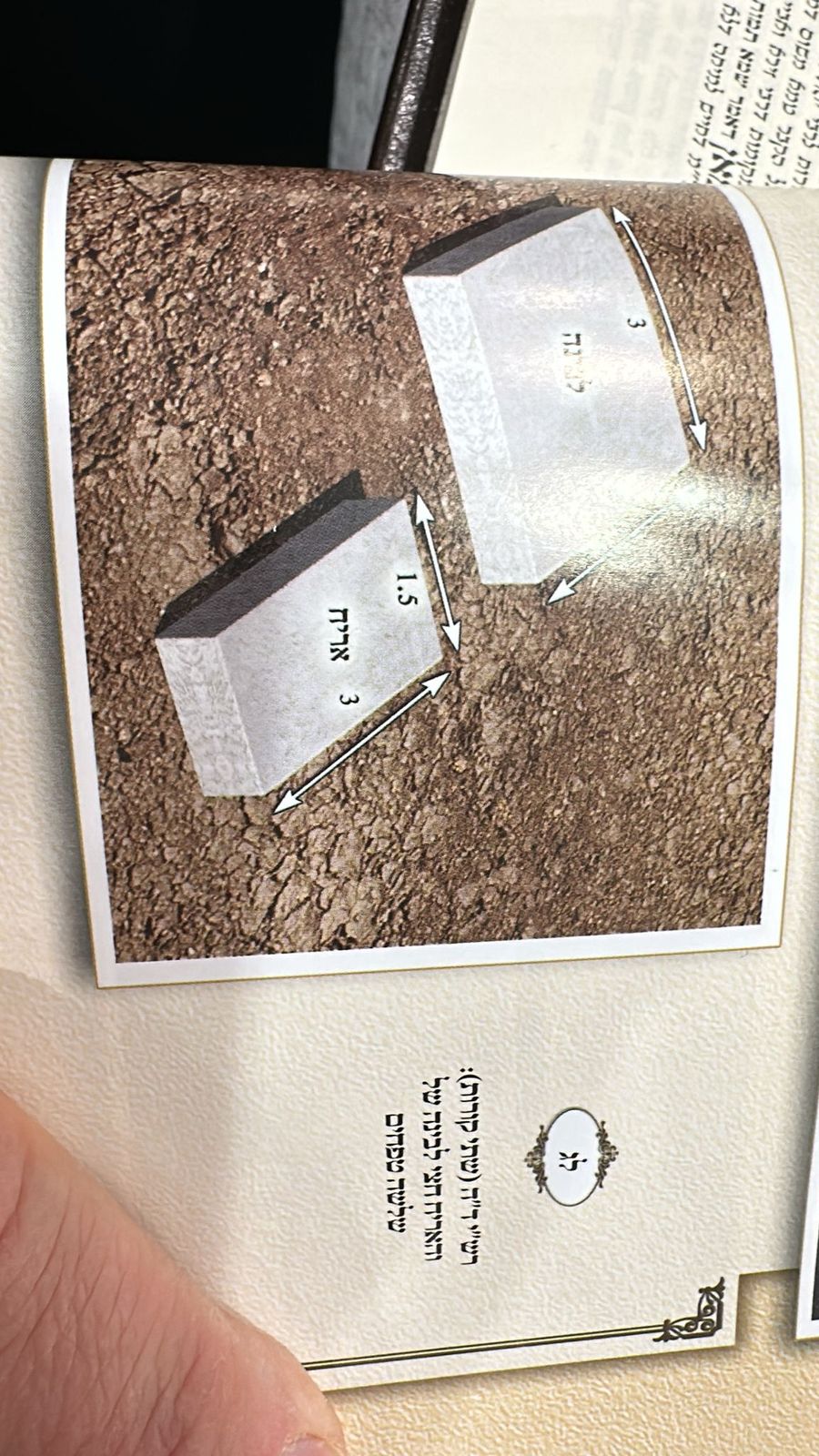
- RashiRashi mentions a levena. The criterion for a valid beam is that it can hold an ariach on its width. A levena is the standard brick, three by three; an ariach is three by one and a half. So the beam must be a tefach wide, with a little of the ariach hanging off each side.
- Question raised: is the requirement about the beam's strength, or only its size? For now, only size. That is why a broomstick cannot be used: it is not thick enough to take an ariach.
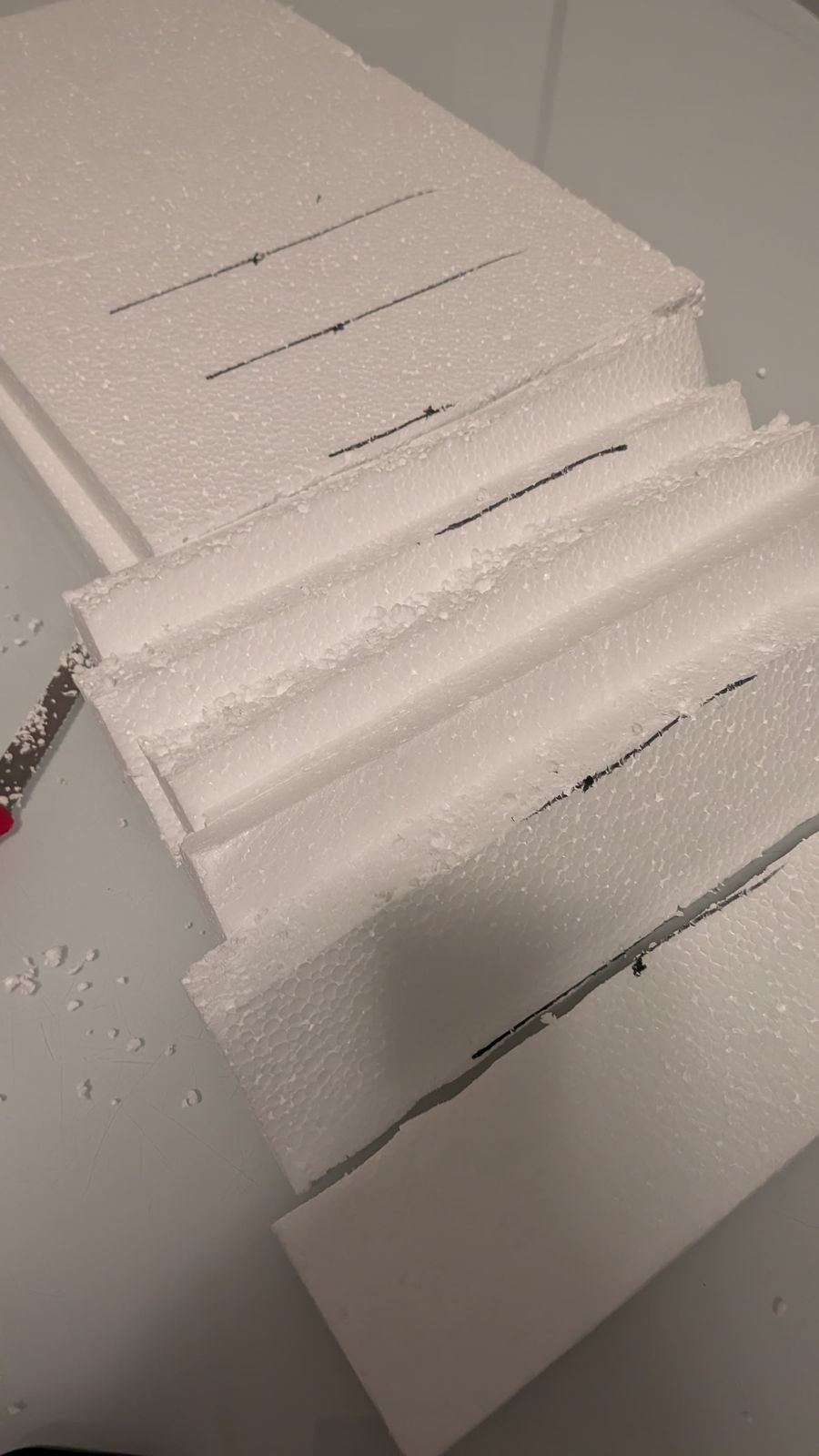
- GemaraNext case (v'chen): the beam reaches wall to wall, but it is two beams, shtei koros hamasimos ('twins', next to each other). Neither one alone can hold an ariach.
- GemaraIf together they can hold an ariach on its width, a tefach, no other beam is needed. If not, another beam is needed.
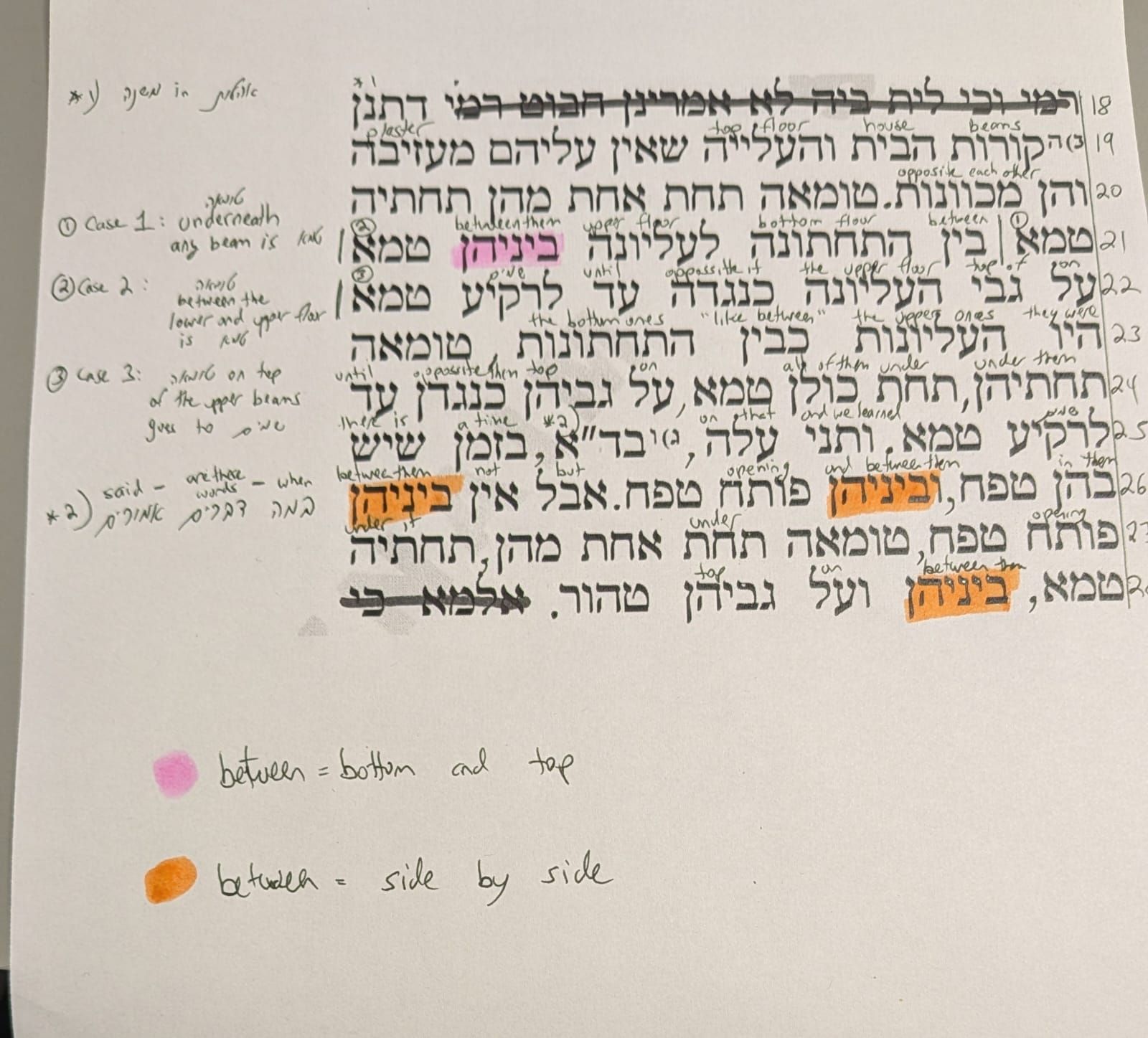
- ShitahTanna Kamma: the two beams, put together, must make a tefach.
- ShitahRabban Shimon ben Gamliel: let them be separate, however thin. If they can hold an ariach on its length (three tefachim), no other beam is needed; if not, another beam is needed. On line 5 the word is width; on line 8 it is length.
- The RebbiRabban Shimon ben Gamliel is more meikil. Put two thin beams less than three tefachim apart so the ends of the ariach rest on them without falling.
- RashiRashi says the rule is that the koreh must accept an ariach. The Rebbi understood this to be about width, not strength, so the beam could even be metal, or cheaper or better wood.
- RashiRashi on Rabban Shimon ben Gamliel speaks of two little twigs. If you placed the ariach on its width they would not hold it, but separated they can hold it on its length.
- The RebbiSimplified framing: for the Tanna Kamma the issue is size; for Rabban Shimon ben Gamliel it is strength. Going with strength gives a kula: work out any engineering method that holds the ariach.
- The RebbiThe further apart the two thin beams are (up to three tefachim), the better they hold the ariach.
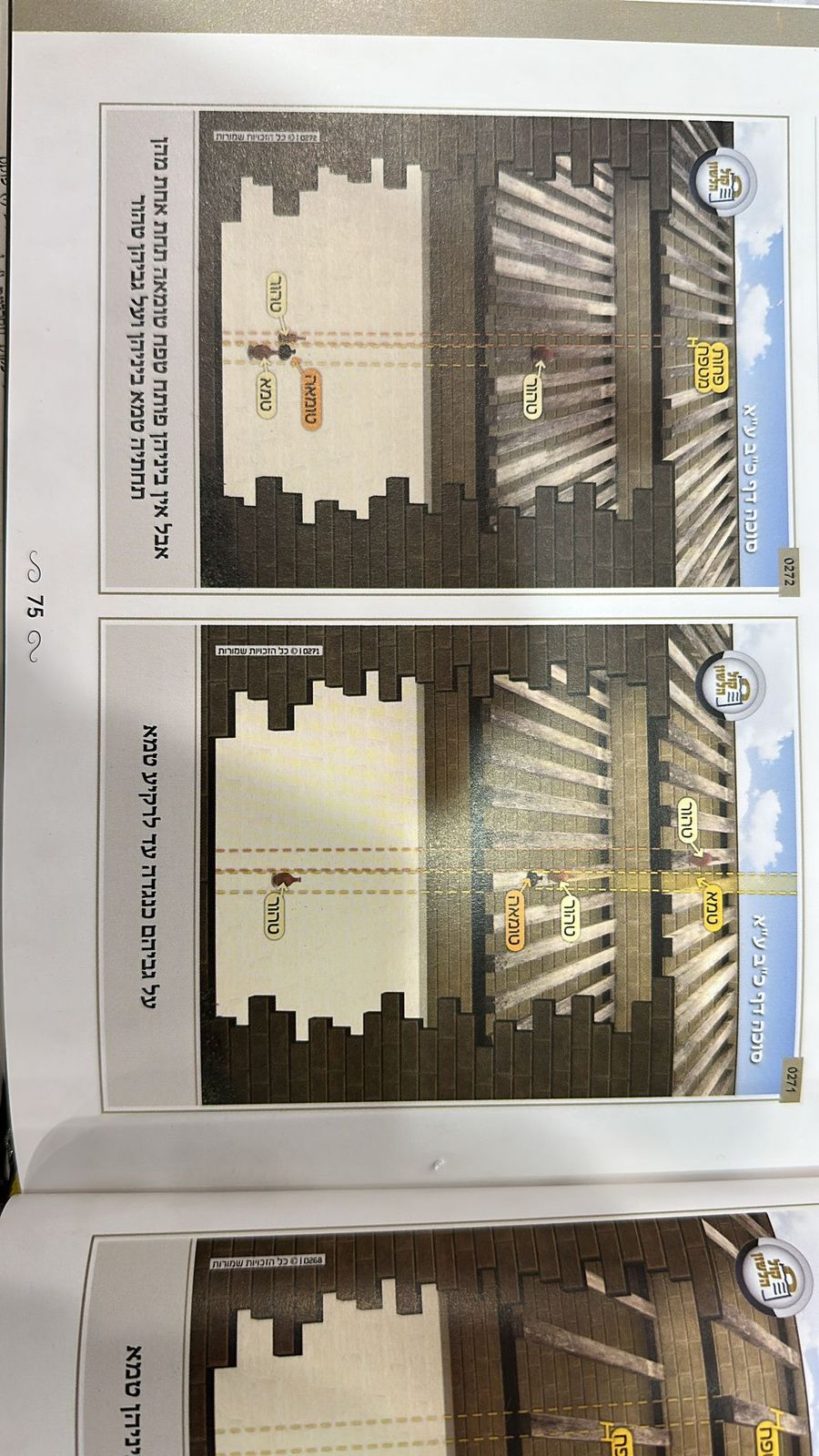
- Preview of line 10 (not counted for today): what if one beam is on top and one on the bottom, staggered? This leads back to whether we say chavut rami.
- The RebbiPractical picture: a new community before Shabbos searches for anything to use as a koreh. The Tanna Kamma requires a tefach whatever you find. Rabban Shimon ben Gamliel lets you get creative, one piece here and one there.
- MaskanaTakeaway for beam size: according to the Tanna Kamma, if the beams were put together they must be a tefach, no matter what.
- ChazarahReview from line 3, v'chen: two beams side by side. Masimos means twins, but the two need not be equal halves; together they must make up the shiur.
- The RebbiThe Rebbi suggested that perhaps, for the Tanna Kamma, there may even be a small gap, as long as together they would make a tefach; he requires the amount of wood. Rabban Shimon ben Gamliel says they need not add up to that.
- The RebbiThis is a shiur. Walking through a mavoi you do not actually see bricks on the koreh or need a hard hat.
- ChazarahRabban Shimon ben Gamliel opened a new world: be as creative as possible, even chopsticks. If it holds the ariach on its length, no other beam is needed; if not, bring another beam.
Kashas
- Rav Ashi to Rav Kahana: do we really not say chavut rami wherever there is no tefach? He asks from the Baraisa in Eruvin about the koreh of a mavoi.
- Talmid's question: is the requirement to hold an ariach about the beam's strength or only its size?
- Talmid's question: why not put reinforcing metal underneath the beams? The Rebbi said he has to think about it.
Teirutzim
- Within the Baraisa, the Rebbi answered that for now the requirement is size: the beam must be wide enough to take an ariach.
Rashi & Tosafos
- Rashi: Mentions the levena. The beam must be a tefach so it can hold an ariach on its width.
- Rashi: On Rabban Shimon ben Gamliel: two little twigs that could not hold the ariach on its width, but can hold it on its length when separated.
- Rashi: As quoted by the Rebbi, Rashi says the beams have to be strong enough to hold the ariach.
Mareh mekomos
- Baraisa in Eruvin about a beam that does not reach the other wall, and about two beams side by side. Rav Ashi's source for his kasha.
The Rebbi’s chiddushim
- Bringing another beam probably meant taking one of the right size that closes the gap below three or four.
- Tanna Kamma: the issue is size. Rabban Shimon ben Gamliel: the issue is strength, which gives a kula of creative engineering.
- Spreading the thin beams apart, up to three tefachim, holds the ariach better.
- Practical picture of a community scrambling before Shabbos to find a koreh.
- Perhaps for the Tanna Kamma a small gap is allowed, provided the wood together equals a tefach.
- The ariach is only a shiur, not an actual brick placed on the koreh.
Unclear in recording
- The daf number stated is garbled.
- In the discussion of whether the requirement is strength or size, a source is cited (sounds like 'Taisa') as bringing a shita that mixes both; it is unclear who is meant.
- Several stretches of back-and-forth with talmidim about spacing and strength are unclear, and the Rebbi said he will look into it.
Drafted from the recording of the shiur, for chazarah. Torah terms follow the Rebbi’s own words; anything that could not be made out is marked “unclear in recording”. Tap a time to hear that point. Corrections welcome.