Lowering a Sukkah Above Twenty: Levels of Bittul
The sugya
The shiur finished the end of yesterday's Gemara on a small house that does not get a share of the chatzer. It then began the next case in the Mishnah: a sukkah higher than 20 amos that one tries to lower by filling the floor. The Rebbi built a 'levels of bittul' chart (karim u'kesasos, teven, afar), framing it as a sliding scale between how floor-like the material is and how explicit the bittul is. He ended at the two middle cases (teven he does not plan to clear, and afar stam), which are a machlokes R' Yosi and Rabbanan to be learned tomorrow.
Step by step (shakla v’tarya)
- ChazarahBrief review: the machlokes R' Yehuda and Chachamim, and it seems we pasken like the Chachamim. Next come the Mishnah's cases about a sukkah above 20 or below 10.
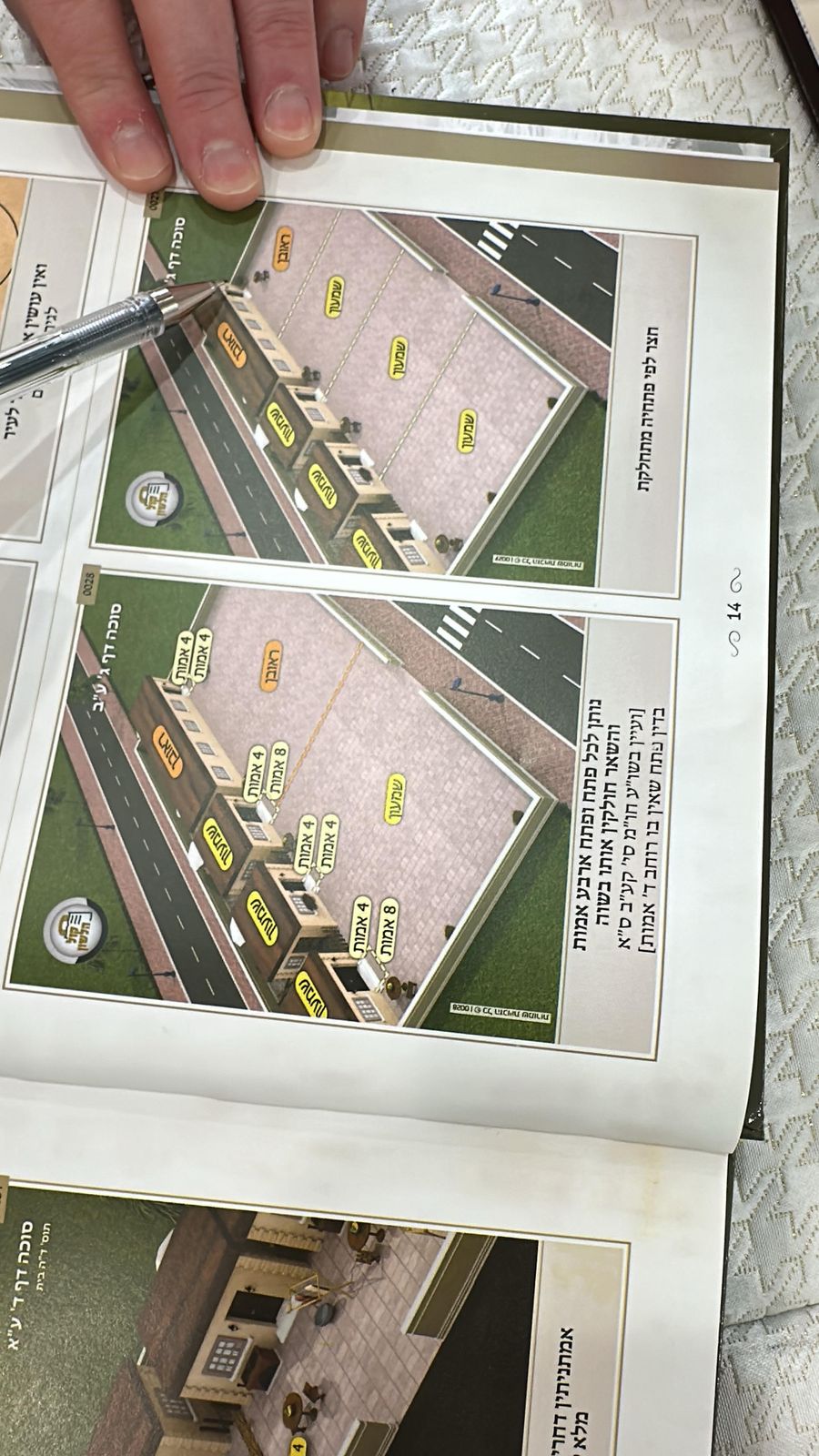
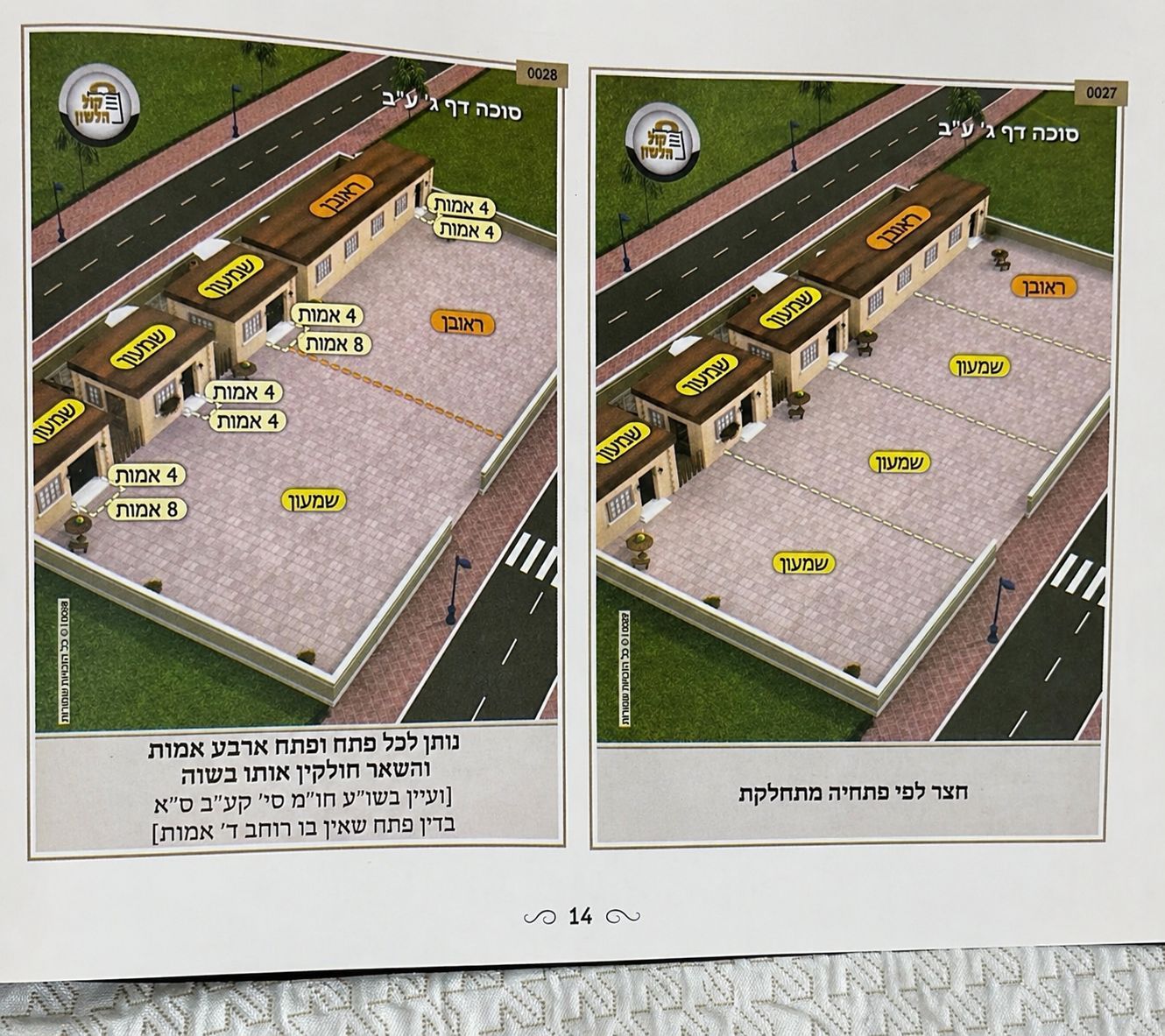
- GemaraEnd of yesterday's Gemara: a house that is meant to stand is given chatzer space. This small cubicle is 'l'mistar kai', meant to be torn down, so it is not given chatzer space.
- The RebbiThe Rebbi discussed why the Gemara uses the term 'l'mistar kai': the structure is not meant for this kind of usage, so you have no right to fence off chatzer space for it. (Discussion at 1:01 to 2:47.)
- MishnahA sukkah higher than 20 amos, which one wants to lower with pillows and blankets (karim u'kesasos) on the floor. This is not considered a reduction (lo havi miyut).
- GemaraEven if he explicitly is mevatel them to the floor, it does not help, because his intent is batel against that of all people (batla daato etzel kol adam).
- GemaraTeven (straw) u'bitlo: it is a valid reduction.
- GemaraKal v'chomer (kol shekein): afar (dirt) u'bitlo is certainly a valid reduction.
- Worksheet 'levels of bittul'. In the first three cases (karim u'kesasos, teven, afar) there is explicit bittul. The cases go in order of what is a normal thing to serve as a floor.
- The RebbiReasons. Bedding does not work because nobody wastes expensive items like this. Straw could be food or floor, so once he declares it floor it works. Dirt is certainly not food, and there is no way to hedge it.
- The RebbiSliding scale: the more floor-like the material, the less explicit bittul you would need. If you pour asphalt, you don't have to say anything.
- Example: a pile of fill in the yard that is really meant for the yard, put down for a day or two with the intent to take it away.
- GemaraLine three: teven that he has no plans to clear, and afar stam.
- The RebbiTeven with no plans to clear: he has in mind that it stays as his floor for all of Yom Tov, but made no announcement of bittul. Afar stam: he didn't even think about it.
- MachlokesThese two cases are a machlokes R' Yosi and Rabbanan, to be seen tomorrow. On the sliding scale they are really the same case (the gray rows on the chart).
- The RebbiIntent alone is not enough. You have to look at both the intent and the material.
- ChazarahSummary. The first three cases have no machlokes because they are extreme, with explicit bittul; only bedding cannot be mevatel, because batla daato. In the last two cases, as stated in the shiur, R' Yosi says it is batel and Rabbanan say it is not. Details to be learned tomorrow.
Rashi & Tosafos
- Rashi: Straw could be used for food: how do you know you won't take it and feed your animals.
The Rebbi’s chiddushim
- Discussion of why the Gemara says 'l'mistar kai': the cubicle is not meant for this usage, so it gets no chatzer space. (Discussion at 1:01 to 2:47.)
- Sliding scale: how floor-like the material is versus how explicit the bittul must be. Asphalt needs no statement at all.
- Bedding fails because no one leaves expensive items as a floor. People will ask when you are washing them.
- Straw can be hedged as food or floor, so declaring it floor resolves it. Dirt is clearly not food.
- Distinction in the middle cases: teven with no plans to clear involves a definite mind that it stays but no announcement. Afar stam means no thought at all.
- You must look at both intent and material; intent alone is not enough.
Unclear in recording
- A reference to a 'second paragraph' and bittul meaning absorbed, considered part of the wall or floor, is unclear in recording.
- The remark 'at least he thought; if you don't have thought, we're going to say it's no good' is unclear in recording, and it is unclear which case it applies to.
- The explanation of why the middle cases do not need bittul (already floor-like material) is partly unclear in recording.
Drafted from the recording of the shiur, for chazarah. Torah terms follow the Rebbi’s own words; anything that could not be made out is marked “unclear in recording”. Tap a time to hear that point. Corrections welcome.